In the rapidly evolving landscape of peptide research and bioregulators, Vesugen has emerged as an intriguing compound drawing attention from those interested in vascular health and longevity optimization. Unlike conventional pharmaceuticals that target a single receptor, Vesugen represents a newer class of bioregulator—a simple tripeptide composed of three amino acids that may work through more nuanced mechanisms within the body. If you’ve encountered Vesugen in your research or are curious about how it differs from other peptides, this comprehensive guide will help you understand what science currently tells us about this compound.
What Is Vesugen? The Basics of a Tripeptide Bioregulator

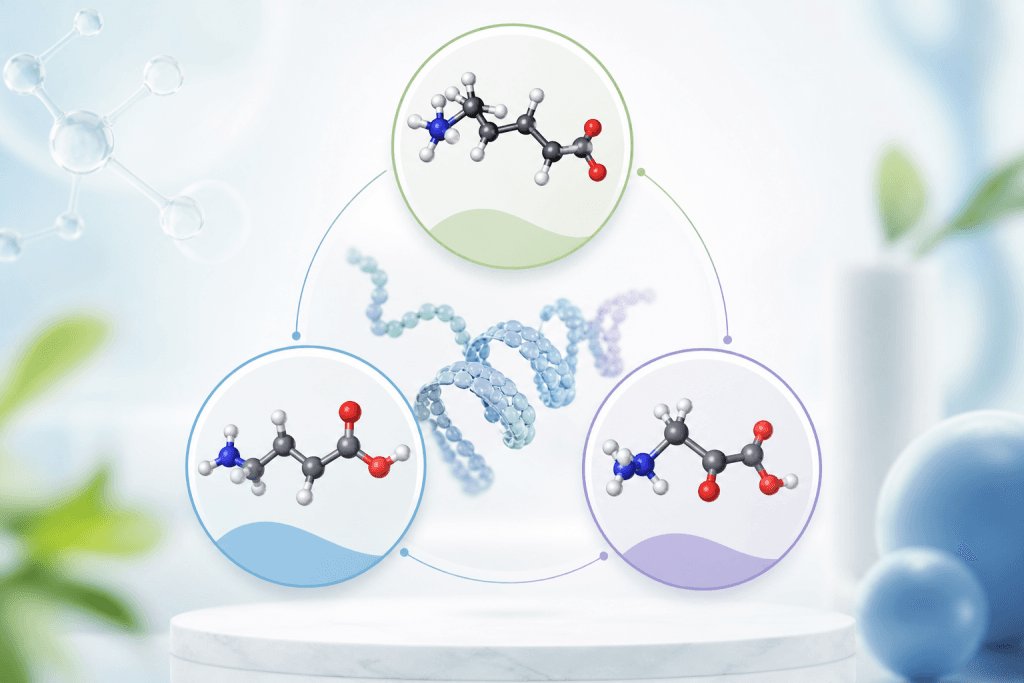
Vesugen is a synthetic peptide composed of three amino acids in a specific sequence: lysine, glutamic acid, and aspartic acid—often abbreviated as KED. This tripeptide belongs to a category known as “bioregulators,” which are proposed to work differently from traditional medications that bind to a specific receptor on the cell surface.
The fundamental appeal of bioregulators like Vesugen lies in their simplicity and their potential to work at the genetic level. Rather than blocking or activating a single pathway, these peptides may influence how cells express and regulate genes—essentially sending signals that tell your body’s cells to function more efficiently or repair themselves more effectively.
How Vesugen May Work: The Mechanism of Action
Understanding how Vesugen might work requires a brief dive into cellular biology. The proposed mechanisms of action include several interconnected pathways:
Gene Expression Modulation
The primary hypothesis surrounding Vesugen centers on its potential to influence gene expression in vascular cells. Research has suggested that the tripeptide may interact with promoter regions—the control switches for genes—that regulate cell proliferation and survival. One gene of particular interest in the research literature is MKI67, which codes for a protein involved in cell division and activity.
Endothelial Cell Support
Your endothelial cells form the inner lining of your blood vessels, and their health is fundamental to cardiovascular function. Laboratory studies have reported that Vesugen may enhance the proliferation and differentiation of these critical cells, potentially supporting the body’s natural vascular repair mechanisms. When endothelial cells function optimally, blood vessels maintain better elasticity and function.
Response to Cellular Stress

Vesugen may influence how cells respond to oxidative stress and low-oxygen conditions—two factors that increase with age and various disease states. By modulating these stress responses, the peptide might theoretically help cells maintain function under challenging conditions, though more research is needed to establish the clinical significance of these effects.
Vascular Integrity and Remodeling
Beyond immediate cellular activity, the proposed mechanisms suggest that Vesugen may influence genes and processes related to extracellular matrix remodeling and vascular structural integrity. This could theoretically support the body’s natural ability to maintain healthy blood vessel architecture as we age.
What Research Currently Shows About Vesugen
The current evidence base for Vesugen, while promising in some respects, remains preliminary. It’s important to understand what different types of research actually tell us.
Laboratory and Cellular Studies
In controlled laboratory settings using cultured endothelial cells, researchers have observed that Vesugen appears to increase markers of cellular activity and proliferation. These findings are encouraging because they demonstrate that the peptide can influence cellular behavior in ways consistent with its proposed mechanisms. However, a critical limitation exists: what happens in a petri dish doesn’t always translate to the complex human body with its intricate regulatory systems, immune responses, and variable absorption.
Human Clinical Evidence
A small clinical report involving 41 patients with chronic arterial insufficiency in the lower limbs described improvements in both clinical symptoms and ultrasound measurements of blood flow after Vesugen treatment. These findings suggest potential real-world benefits, but the study’s small size and design limitations mean we cannot definitively attribute the improvements to Vesugen alone. Other factors like concurrent treatment, natural recovery, or even placebo effects might partially explain the results.
Another study examining 32 adults aged 41–83 years with multiple health conditions reported changes in biological-age indicators and suggested potential anti-aging effects. While intriguing, biological-age markers are surrogate outcomes—they suggest potential benefit but don’t prove that Vesugen extends lifespan or prevents disease.
The Gap in Evidence
Notably absent from the evidence base are large, randomized, placebo-controlled trials demonstrating that Vesugen reduces cardiovascular events like heart attacks or strokes, improves long-term vascular outcomes, or extends human lifespan. This gap is significant because these are the gold-standard evidence types that justify clinical use of a therapy.
Potential Benefits: What Early Research Suggests
While clinical proof remains limited, the early research suggests several potential areas where Vesugen might theoretically benefit those interested in vascular and longevity optimization:
Vascular Function and Peripheral Circulation
The most supported potential benefit relates to vascular function. The small clinical evidence and laboratory findings align around improvements in endothelial health and blood flow characteristics. For people with age-related vascular decline or those interested in proactive vascular maintenance, this mechanism is conceptually appealing.
Vascular Aging
As we age, blood vessels naturally become stiffer and less responsive, a process called vascular aging. By potentially supporting endothelial cell function and vascular repair mechanisms, Vesugen might theoretically help slow this process, though this remains a hypothesis requiring larger studies.
Cellular Repair and Stress Response
The proposed mechanisms suggest that Vesugen may enhance cellular resilience—the ability of cells to maintain function under stress. This theoretical benefit appeals to those pursuing comprehensive aging intervention, though current evidence is insufficient to claim proven anti-aging effects.
Who Might Theoretically Benefit From Vesugen?
Based on current evidence and proposed mechanisms, the populations most relevant for future research would include:
- Individuals with age-related vascular dysfunction
- People with peripheral arterial disease or circulation concerns
- Those interested in proactive cardiovascular aging optimization
- Individuals with impaired vascular repair capacity
However, it’s crucial to emphasize that these are research populations, not established clinical indications. Anyone with diagnosed vascular disease or cardiovascular risk factors should work with their healthcare provider to implement evidence-based treatments first, which may include medications, lifestyle modifications, and other proven interventions.
Tracking Your Health Journey: Supporting Your Wellness Goals
For those interested in exploring peptides and bioregulators as part of a comprehensive wellness strategy, maintaining detailed health records becomes increasingly important. The ShotLog app serves as a comprehensive platform for tracking your peptide protocol and monitoring relevant health markers. The app’s Biograph feature visualizes how peptide levels fluctuate in your body over time, helping you understand your personal response patterns. Additionally, ShotLog’s 14-point body measurements and progress photo tracking enable you to document physical changes, while the smart protocol automation ensures you maintain consistency with your planned regimen.
Important Safety Considerations
While Vesugen appears to have a reasonable safety profile based on the limited research available, significant gaps in our safety knowledge exist:
- Limited adverse event data: The existing human studies are too small to identify rare or delayed adverse effects.
- Unknown pharmacokinetics: We don’t have clear data on how the body absorbs, distributes, metabolizes, or eliminates Vesugen, or how long it remains active in tissues.
- Potential off-target effects: Gene-regulatory activity can theoretically affect unintended genes or pathways.
- Pro-oxidant concerns: One human study noted pro-oxidant activity and changes in blood-forming markers—findings that warrant further investigation rather than being dismissed.
- Product variability: Peptides sold outside regulated pharmaceutical pathways may vary in purity, concentration, identity, and sterility. Research findings may not apply to commercially available products.
People with certain conditions—pregnancy, breastfeeding, liver disease, kidney disease, cancer, or autoimmune conditions—lack adequate safety data. Additionally, the potential for interactions with cardiovascular or other prescription medications has not been thoroughly studied.
Proper Storage and Organization for Your Peptide Protocol
If you’re experimenting with peptides as part of your wellness exploration, proper storage becomes essential. Peptides require specific temperature conditions to maintain stability and efficacy. The Ultimate Peptide Travel Cooler Case is designed specifically for maintaining proper temperatures during transport, whether you’re traveling locally or internationally. For organizing your vial inventory at home, a Case for 3ml Vials helps protect your compounds while keeping them organized and easily accessible for your protocol management.
The Current State of Evidence: An Honest Assessment
The most accurate way to describe Vesugen is as an experimental peptide with early, low-certainty evidence. The laboratory findings and small human reports are interesting and warrant continued research, but they do not yet constitute proof of clinical benefit for any specific condition.
What would strengthen the evidence base:
- Large, randomized, placebo-controlled trials in humans
- Independent replication of findings by different research groups
- Standardized manufacturing with verified identity and purity
- Comprehensive pharmacokinetic studies clarifying how the body handles Vesugen
- Long-term safety monitoring in diverse populations
- Outcome studies demonstrating clinical benefits (not just surrogate markers)
Until such evidence exists, Vesugen should be viewed as a research compound of interest rather than an established therapy for vascular disease, aging, or longevity.
Important Medical Disclaimer
This article is educational in nature and should not be construed as medical advice. Vesugen is not an FDA-approved medication, and limited clinical evidence exists regarding its safety and efficacy in humans. If you have cardiovascular disease, risk factors for heart disease, vascular concerns, or are taking medications, consult with a qualified healthcare provider before considering any new therapeutic approach. Do not use Vesugen as a substitute for established medical treatments, blood pressure management, lipid-lowering therapy, diabetes management, smoking cessation, antiplatelet therapy when prescribed, or supervised exercise and vascular procedures when medically indicated.
Your healthcare provider can help you evaluate whether experimental peptides are appropriate for your individual situation and can monitor you for any potential adverse effects.
Related Products from ShotLog
If you’re interested in exploring peptide protocols, ShotLog offers several products designed to support your research and tracking efforts:
- Reusable Peptide Pen – V2 ($21.99-$24.99): A convenient, reusable injection pen for peptide administration
- FDA-Cleared 510(k) Reusable 80 Unit Injection Pen ($32.99): Professional-grade precision injection device
- The Ultimate Peptide Travel Cooler Case ($20.99): Temperature-controlled storage for travel and transport
- Universal Peptide Pen Needles ($12.99): Compatible with standard peptide pens
- Premium Research Syringes (0.5ml, pack of 100) ($19.99): For research and experimental protocols
- Case for 3ml Vials ($4.98-$8.98): Protective storage and organization for vial inventory
Additionally, the ShotLog app (available on iOS and Android) provides comprehensive peptide tracking with smart protocol automation, biograph visualization of medication levels, 14-point body measurements, progress photo tracking, vial inventory management, nutrition tracking, and smart reminders to support your research consistency.