If you’ve been using peptide therapy for any length of time, you’ve likely experienced that frustrating sensation: a tender knot beneath the skin that lingers for days or even weeks after injection. These nodules—sometimes called “lumps,” “injection site reactions,” or “sterile granulomas”—are one of the most common challenges users face, and they can be incredibly uncomfortable.
What’s particularly frustrating is that these reactions often occur even when you’re doing everything right: rotating injection sites faithfully, maintaining proper technique, and following best practices. So what’s actually happening under your skin, and what can you do about it?
What Causes Injection Site Lumps?
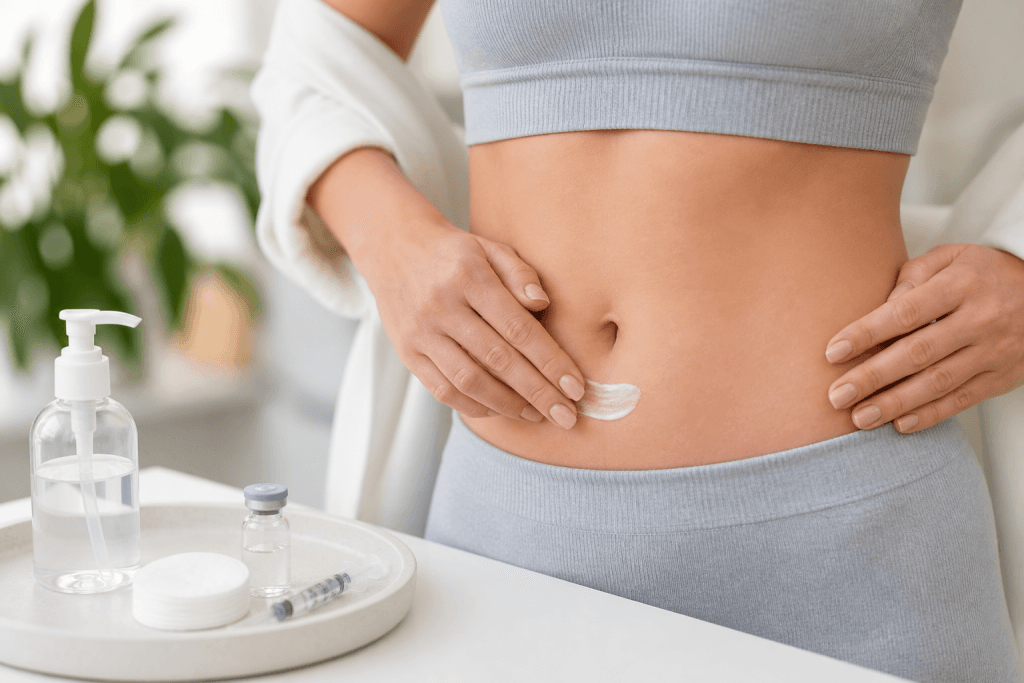
Injection site nodules aren’t a single condition—they’re actually your body’s response to several possible triggers. Understanding the underlying cause is the first step toward preventing and managing them effectively.
Local Inflammatory Response
The most common culprit behind injection lumps is a straightforward inflammatory reaction. When you inject peptides, you’re introducing a foreign substance into subcutaneous tissue. Your immune system responds by sending inflammatory cells to the area, which can create swelling, redness, and that characteristic tender knot.
Several factors influence this response:
- Peptide concentration: Higher concentrations can trigger more robust inflammation
- Solution pH: Acidic solutions irritate tissue more than neutral ones
- Injection volume: Larger volumes create more tissue disruption
- Formulation excipients: Preservatives and other additives may contribute to irritation
Tissue Trauma and Microhemorrhage
Even with perfect technique, needle insertion causes microscopic blood vessel damage. When you inject repeatedly into the same general area—even with rotation—the cumulative tissue trauma can lead to small bruises (hematomas) that appear as lumps and remain tender as they heal.
Sterile Granulomas
In some cases, your body’s healing response becomes overzealous. Immune cells accumulate around the injection site, forming a persistent nodule even without infection. These sterile granulomas are your body’s way of isolating a foreign material, but they can remain present and uncomfortable for weeks.
Product Quality Concerns

This is where the conversation becomes more serious. Peptides purchased from unregulated sources may contain contamination, particulate matter, endotoxins, or mislabeled ingredients. When you inject these products, your body mounts a stronger inflammatory response. Additionally, improper reconstitution and handling increase contamination risk—another reason why maintaining organized, sterile practices matters.
Why Site Rotation Alone Isn’t Enough
You’ve probably heard that rotating injection sites prevents complications. And it’s true—rotating sites is important. But rotating sites doesn’t eliminate injection reactions; it distributes them across multiple locations instead of creating one mega-problem zone.
Here’s the key insight: your subcutaneous tissue has a finite capacity to handle repeated trauma and inflammation. Even with perfect rotation, if you’re injecting frequently into thighs, abdomen, or arms, you’re still accumulating inflammatory burden in those tissues. The solution isn’t just better rotation—it’s supporting your body’s ability to manage the inflammatory response.
How Peptides Are Proposed to Support Tissue Recovery
The research community has focused extensively on three peptides that are theorized to support tissue repair and reduce inflammation: BPC-157, TB-500, and GHK-Cu. Understanding how these are proposed to work helps explain why some users stack them together as part of what’s called the “GLOW Protocol.”
BPC-157: Tissue Repair Signaling
BPC-157 is derived from a protective sequence found in gastric tissue. Laboratory and animal research suggests it may influence several healing-related pathways:
- Blood vessel formation (angiogenesis): Supporting new blood vessel growth to improve nutrient delivery
- Collagen production: Signaling fibroblasts to produce structural proteins
- Inflammatory modulation: Potentially reducing excessive immune activation
- Nitric oxide signaling: A molecule involved in tissue relaxation and healing
The challenge is that while these mechanisms show promise in research settings, human clinical evidence remains extremely limited. No robust clinical trial has demonstrated that BPC-157 effectively treats injection-site nodules or prevents them from forming.
TB-500: Cell Migration and Repair Signaling
TB-500 is marketed as related to thymosin beta-4, a naturally occurring peptide involved in how cells move and reorganize. Theoretical benefits include:
- Promoting cell migration to damaged areas
- Supporting wound-healing signaling cascades
- Modulating tissue remodeling processes
- Influencing angiogenesis
Like BPC-157, TB-500 has not been validated in human clinical trials for treating injection reactions or preventing tissue complications from repeated injections.
GHK-Cu: Collagen and Matrix Support
GHK-Cu is a natural copper-binding tripeptide that has shown more robust—though still modest—evidence in topical skincare applications. It’s proposed to:
- Support collagen and extracellular matrix production
- Modulate inflammatory signaling
- Influence fibroblast activity
- Support tissue remodeling
While topical copper peptides have shown encouraging signals in small dermatology studies, injectable GHK-Cu evidence remains particularly sparse. The safety profile of repeated injections is not well-established.
Practical Management Strategies
While the evidence for peptide “stacks” treating injection lumps is limited, several practical approaches can help minimize reactions:
Maintain Meticulous Injection Records
This is where tracking becomes essential. Tools like the ShotLog app help you document exactly where you injected, when, and which peptide you used. Over time, you’ll notice patterns—perhaps certain areas react more, or certain peptides cause more irritation than others. The app’s smart protocol automation ensures you’re rotating properly and not accidentally favoring one site.
Allow Adequate Recovery Between Injections
If a particular site remains tender, don’t inject there again until the lump has resolved. Continuing to inject into an inflamed area compounds the problem. The ShotLog app’s smart reminders can alert you to rotate to alternative sites while problem areas heal.
Support Consistent Technique
Injection depth, angle, and speed all influence tissue irritation. Shallower injections or rapid bolus delivery can create larger nodules. Using high-quality, precision injection devices makes a significant difference. The FDA-Cleared 510(k) Reusable 80 Unit Injection Pen from Nest Scientific provides superior precision compared to standard equipment, reducing tissue trauma from the injection itself.
Proper Supply Organization and Storage
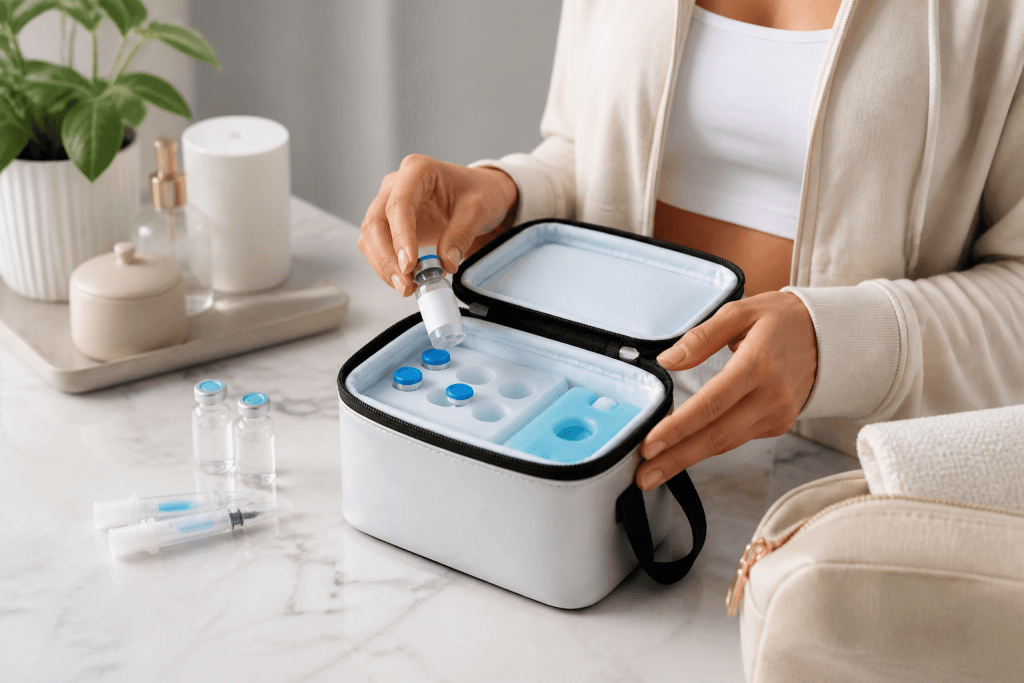
Product quality directly impacts injection site reactions. Contaminated peptides trigger stronger inflammatory responses. Keeping your peptides at proper temperature is non-negotiable—The Ultimate Peptide Travel Cooler Case ensures your medications maintain integrity whether you’re at home or traveling. Additionally, organizing your vials with proper storage solutions helps you track expiration dates and avoid using compromised products.
Consider Site-Specific Support
Some users report that applying supportive topical treatments after injections helps minimize discomfort. While evidence for peptide creams treating injection lumps specifically is limited, maintaining proper post-injection care—keeping sites clean, dry, and monitored—is universally recommended.
Track Your Progress Comprehensively
The ShotLog app goes beyond injection tracking—it helps you document body measurements, progress photos, weight, and overall recovery metrics. This comprehensive tracking helps you correlate which injection practices, peptide combinations, and management strategies actually produce the best results for your body. The app’s Biograph feature visualizes how peptide levels fluctuate in your body over time, helping you understand the relationship between injection timing and your body’s response.
When to Seek Medical Evaluation
Most injection site lumps are uncomfortable but ultimately harmless inflammatory reactions that resolve with time. However, certain warning signs indicate you need professional assessment:
- Lumps that persist or enlarge over multiple weeks
- Spreading redness or warmth around the injection site
- Pus, drainage, or foul odor
- Severe pain disproportionate to injection trauma
- Red streaking extending from the injection site
- Fever, chills, or feeling unwell
- Facial or throat swelling, difficulty breathing, or widespread hives (signs of serious allergic reaction)
A healthcare provider may use ultrasound or other imaging to determine whether a persistent lump is a benign hematoma, sterile granuloma, or something requiring treatment like antibiotics.
The Bottom Line on Injection Site Management
Injection site lumps are a known challenge in peptide therapy, but they’re manageable with proper planning and tracking. The evidence for peptides like BPC-157, TB-500, and GHK-Cu treating existing injection reactions is limited, but maintaining consistent, precise injection technique combined with thorough site rotation and recovery protocols can significantly reduce their occurrence.
Focus on what you can control: using high-quality equipment, maintaining detailed tracking of your injection sites, allowing adequate recovery time for inflamed areas, and keeping your peptides properly stored and protected from contamination. These foundational practices matter far more than adding additional peptides to “fix” injection site problems after they occur.
Important Medical Disclaimer: This article is educational and does not constitute medical advice. Injection site lumps, persistent nodules, or any signs of infection warrant evaluation by a qualified healthcare provider. Do not self-treat persistent symptoms or attempt to manage serious reactions at home. Peptides discussed in this article remain experimental and are not FDA-approved for human use. Anyone considering peptide therapy should consult with a healthcare provider experienced in regenerative medicine to discuss individual risks, benefits, and appropriate safety monitoring.
Related Products from ShotLog
Managing injection site reactions starts with precision and consistency. ShotLog offers several tools to optimize your injection practice:
- Reusable Peptide Pen – V2 ($21.99-$24.99): A reliable injection device for consistent, precise peptide delivery that minimizes tissue trauma.
- FDA-Cleared 510(k) Reusable 80 Unit Injection Pen (Nest Scientific) ($32.99): Professional-grade precision equipment designed for research and therapeutic applications, reducing injection-related tissue damage.
- Universal Peptide Pen Needles ($12.99): High-quality needles compatible with standard injection pens, ensuring sharp penetration and minimal tissue trauma.
- The Ultimate Peptide Travel Cooler Case ($20.99): Maintains proper temperature stability for your peptides, preventing degradation that could increase injection site reactions.
- Case for 3ml Vials ($4.98-$8.98): Organized storage protects your peptides from contamination and helps you track expiration dates and remaining supply.
- ShotLog App (iOS & Android): Track injection sites with precision, automate rotation reminders, document reactions, monitor progress, and share comprehensive reports with your healthcare provider. Smart protocol automation helps ensure you’re rotating sites optimally to prevent lumps from forming.