When people first encounter blended peptides, they often ask the same question: “How does combining multiple peptides in one formula actually work?” The answer lies in understanding how each component supports different aspects of cellular repair and regeneration—and how these mechanisms can work synergistically when properly formulated.
Unlike single-peptide therapies, blended peptide formulations bring together compounds that target overlapping but distinct biological pathways. This comprehensive guide explores the science behind popular blended peptides, how they function in the body, and why understanding their mechanisms matters for anyone pursuing advanced wellness strategies.
The Science of Peptide Synergy: Beyond Simple Addition
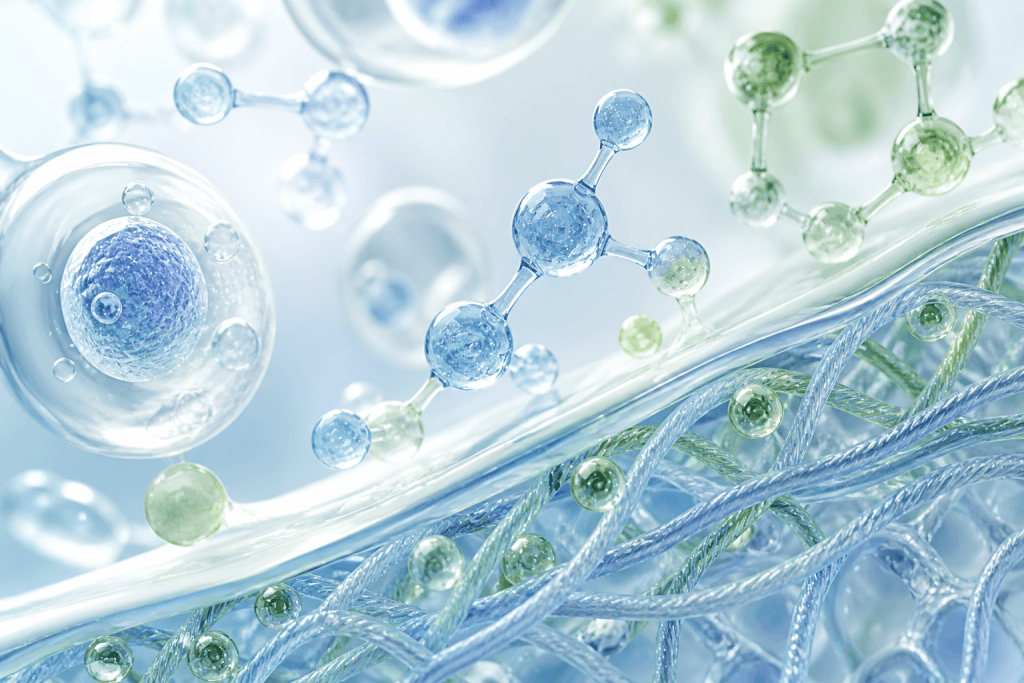
A blended peptide is not simply multiple peptides thrown together—it’s a carefully formulated combination where each component contributes unique biological functions while supporting the others’ effects. Think of it as an orchestra: each instrument plays its own part, but the symphony is greater than any solo performance.
When you use a blended peptide formula, every molecule you introduce contains the same ratios of components. This consistency is crucial for understanding how your body responds and for tracking progress effectively. Many users find it valuable to document their peptide protocols using comprehensive tracking tools like the ShotLog app, which offers smart protocol automation and biograph visualization to show how peptide levels fluctuate in your body over time—helping you correlate your dosing with actual biological changes.
GHK-Cu: The Collagen and Regeneration Signal

What It Is: GHK-Cu is a copper-binding tripeptide naturally occurring in human plasma. It’s composed of three amino acids—glycine, histidine, and lysine—complexed with copper.
How It Works: GHK-Cu acts as a signaling molecule that communicates with your cells to promote several regenerative processes:
- Collagen Remodeling: It stimulates fibroblasts (the cells responsible for collagen production) to increase synthesis of collagen types I, III, and IV. This is particularly relevant for skin elasticity, structural integrity of connective tissues, and overall tissue architecture.
- Extracellular Matrix Support: By influencing the turnover and organization of the extracellular matrix—the scaffolding that holds cells together—GHK-Cu helps maintain tissue elasticity and resilience.
- Anti-inflammatory Signaling: It modulates inflammatory pathways, potentially creating an environment more conducive to repair rather than chronic inflammation.
- Copper-Dependent Enzyme Activation: Copper is a cofactor for several important enzymes involved in tissue maintenance, including lysyl oxidase (which cross-links collagen and elastin) and cytochrome c oxidase (critical for cellular energy production).
Research Evidence: The strongest evidence for GHK-Cu comes from topical cosmetic studies, where research suggests potential benefits for skin appearance and elasticity. However, the broader regenerative mechanisms have been demonstrated primarily in cellular and laboratory models.
BPC-157: The Tissue Repair Specialist
What It Is: BPC-157 is a synthetic 15-amino-acid peptide derived from a protective compound found in gastric juice. Though synthetic, it mimics a naturally occurring sequence, making it particularly interesting for research into repair mechanisms.
How It Works: BPC-157 operates through multiple interconnected biological pathways:
- Nitric Oxide Modulation: It influences nitric oxide (NO) signaling, a critical messenger molecule that affects blood vessel function, inflammation, and tissue healing. NO plays a central role in angiogenesis—the formation of new blood vessels necessary for delivering oxygen and nutrients to healing tissues.
- Angiogenesis Support: By promoting vascular endothelial growth factor (VEGF) related signaling, BPC-157 may encourage the development of new blood vessels, ensuring adequate blood supply to injured or degenerating tissues.
- Fibroblast Activation: Similar to GHK-Cu, BPC-157 stimulates fibroblasts to increase collagen organization and extracellular matrix remodeling, supporting structural tissue integrity.
- Inflammation Modulation: Research suggests it may help regulate inflammatory mediators, potentially shifting tissue toward a more favorable repair environment rather than chronic inflammation.
- Neurotransmitter and Gut-Brain Axis Effects: BPC-157 has been studied for interactions with multiple neurotransmitter systems, suggesting broader neuroregulatory effects beyond localized tissue repair.
Research Evidence: BPC-157 has primarily been studied in laboratory and animal models involving gastrointestinal injury, tendon and ligament damage, bone, and nervous tissue. Human research remains extremely limited, with only a handful of small studies published to date. These early human investigations have reported symptom improvements but were conducted with small sample sizes and methodological limitations that prevent definitive conclusions.
TB-500 (Thymosin Beta-4): The Cellular Migration Master
What It Is: TB-500 is marketed as a synthetic analog or fragment related to thymosin beta-4, a naturally occurring peptide involved in cellular migration and tissue remodeling. It’s important to note that commercial TB-500 products may not be chemically identical to full-length thymosin beta-4.
How It Works: TB-500 influences cellular processes critical to repair and regeneration:
- Actin Regulation: TB-500 interacts with actin, a fundamental structural protein in cells. By regulating actin dynamics, it facilitates cellular movement—a process essential for wound closure, tissue reorganization, and cellular migration to sites requiring repair.
- Endothelial Cell Migration: It promotes the movement of endothelial cells (which line blood vessels), supporting the formation of new blood vessels and improved vascular architecture in healing tissues.
- Inflammation Management: TB-500 appears to modulate inflammatory responses, potentially helping transition tissue from an acute inflammatory phase to a productive repair phase.
- Epithelial and Fibroblast Support: It encourages both epithelial cell repair (surface tissue healing) and fibroblast migration, supporting multiple layers of tissue restoration.
- Extracellular Matrix Remodeling: By influencing how cells reorganize the matrix around them, TB-500 helps ensure that newly formed tissue has proper structural support and organization.
Research Evidence: Human clinical evidence specifically for commercially marketed TB-500 is sparse. While thymosin beta-4 (the naturally occurring peptide) has a longer research history, findings from full-length thymosin beta-4 studies cannot automatically be applied to TB-500 products, which may have different pharmacology or purity profiles.
How Blended Formulas Create a Comprehensive Repair Environment
When these three peptides are combined in a blended formula, they theoretically work on complementary mechanisms:
- GHK-Cu sends the collagen-building signal and manages inflammation at the biochemical level
- BPC-157 promotes blood vessel formation and shifts the tissue environment toward repair
- TB-500 facilitates the cellular movement and reorganization necessary for tissues to actually use the newly formed collagen and vessel infrastructure
Together, they create a theoretical “repair environment” that addresses multiple aspects of tissue regeneration simultaneously. However, it’s crucial to understand that the combination introduces additional complexity—the interaction between these three peptides in human physiology is not fully characterized in the literature.
Tracking Your Protocol: Why Consistency Matters
Whether you’re using blended peptides or single formulations, consistency and proper tracking are essential. The human body responds to consistent signals over time, and tracking helps you identify patterns and correlations with your protocol.
Many serious peptide users rely on the ShotLog app to maintain detailed records. The app’s 14-point body measurement tracking, progress photo storage, and weight monitoring help you visualize actual changes over time. Additionally, ShotLog’s vial tracking feature ensures you never run out of supplies unexpectedly, while smart reminders help maintain protocol consistency—crucial for allowing these peptides to exert their biological effects consistently.
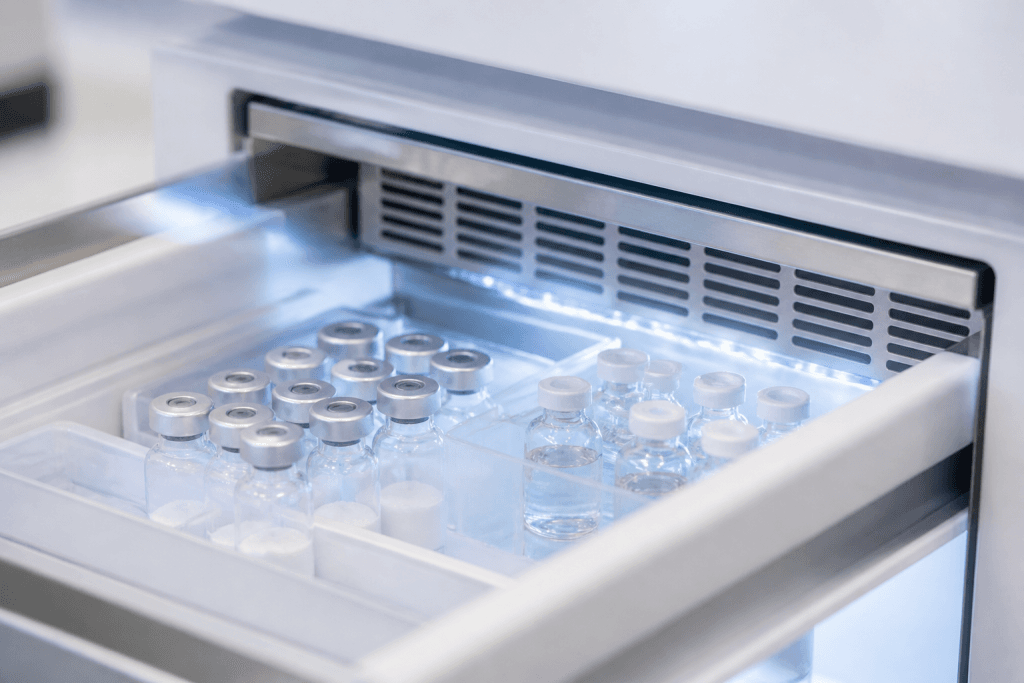
For those who travel frequently with their peptides, maintaining proper storage is equally important. Peptides are sensitive to temperature fluctuations, and the Ultimate Peptide Travel Cooler Case ensures your formulations stay at proper temperatures during transit, preserving their biological activity regardless of your location.
Clinical Evidence: What We Know and What Remains Unknown
It’s important to be transparent about the current state of evidence:
- BPC-157: Human studies are extremely limited—approximately three small studies with roughly 30 total participants. While some symptom improvement was reported, the methodological limitations are substantial, and overall certainty is rated as very low by systematic reviews. Long-term safety data are inadequate.
- TB-500: Specific human clinical evidence for commercially marketed TB-500 products is particularly sparse. Studies involving the naturally occurring thymosin beta-4 cannot be assumed to apply directly to TB-500 analogs.
- GHK-Cu: The most developed research exists for topical cosmetic formulations, but evidence for injectable use remains limited. Topical tolerability does not establish the safety of parenteral (injectable) exposure.
- Blended Formulas: No clinical studies specifically examine the combination of all three peptides. Each component’s evidence cannot simply be added together to validate the blend.
This gap between research and marketing claims is significant. The absence of reported adverse events in small studies does not prove safety, just as positive findings in uncontrolled studies cannot establish true effectiveness.
Who Might Benefit?
Based on current evidence and biological plausibility, blended peptide research would most benefit individuals with:
- Defined tissue injuries or chronic wounds
- Specific tendon or ligament concerns
- Interest in advanced cellular repair strategies
- Commitment to tracking and documenting their protocols scientifically
However, these compounds remain investigational, and legitimate use should ideally occur within a clinical research or regulated medical framework rather than through self-directed protocols.
Important Safety Considerations
Product Quality: Many peptide products sold online are not FDA-approved medicines and may carry risks including incorrect concentration, bacterial contamination, degradation, or inadequate sterility assurance. A sterile-looking vial is not evidence of actual sterility or purity.
Biological Uncertainty: Potential concerns include unknown long-term effects, immune reactions, unexpected effects on blood vessel growth, interactions with cancer-related processes, organ-specific toxicity, and reproductive risks. The proposed mechanisms of these peptides—involving angiogenesis, inflammation modulation, and multiple signaling systems—create biological plausibility but do not establish clinical safety.
When to Seek Medical Attention: Symptoms such as rash, swelling, shortness of breath, fever, severe headache, chest pain, neurologic symptoms, jaundice, or signs of infection require prompt medical evaluation.
Not a Substitute for Diagnosis: These peptides should not be used to delay diagnosis or treatment of fractures, tendon ruptures, infections, gastrointestinal bleeding, cancer, or other serious conditions.
Disclaimer
The information in this article is for educational purposes only and should not be construed as medical advice. BPC-157, TB-500, and GHK-Cu remain investigational compounds without FDA approval for any medical indication. The human clinical evidence for these peptides is extremely limited, and long-term safety data are inadequate.
Before using any peptide product, consult with a qualified healthcare provider. This is especially important if you have cancer, unexplained masses, active infections, significant liver or kidney disease, copper-metabolism disorders, autoimmune disease, pregnancy, or breastfeeding.
Your healthcare provider can help you evaluate whether these compounds are appropriate for your individual circumstances, assess your complete medical history, and monitor for potential adverse effects. They can also help you determine whether the product you’re considering has been manufactured to appropriate standards and contains what the label claims.
Related Products from ShotLog
Whether you’re beginning your peptide journey or optimizing an existing protocol, having the right tools matters:
- Reusable Peptide Pen – V2 ($21.99-$24.99) — A precision injection tool for consistent, accurate administration of peptide protocols.
- FDA-Cleared 510(k) Reusable 80 Unit Injection Pen ($32.99) — Professional-grade precision for those prioritizing measurement accuracy in their protocol.
- The Ultimate Peptide Travel Cooler Case ($20.99) — Maintains proper temperature stability for peptides during travel, essential for preserving biological activity.
- Universal Peptide Pen Needles ($12.99) — Compatible needles ensuring clean, reliable administration every time.
- Premium Research Syringes (0.5ml, pack of 100) ($19.99) — Precise measurement tools for research and tracking purposes.
- ShotLog App — Available on iOS and Android, the comprehensive peptide tracking platform featuring smart protocol automation, biograph visualization of peptide levels in your body, 14-point body measurements, progress photos, weight tracking, vial inventory management, nutrition integration, smart reminders, and data export for sharing with healthcare providers.