There’s an ancient paradox that may change how you think about your own body’s healing potential.
Imagine a ship preserved in a harbor. Over time, its wooden planks rot and are replaced—one by one—until every single piece of wood is new. Is it still the same ship?
This is the Ship of Theseus paradox, first described by Greek historian Plutarch in the first century AD. And it’s more relevant to your health than you might think.
Your body faces this exact philosophical question every single day. Right now, as you read this, your cells are dying and being replaced. Your connective tissues are constantly breaking down and rebuilding. Your blood vessels are remodeling. The person you are physically today is not the same person you were seven years ago—your cells have literally been reconstructed.
The question isn’t whether your body is capable of renewal. It is. The question is: how efficiently can this renewal happen, especially when injury or aging slow the process?
This is where peptides like BPC-157 and TB-500 enter the conversation—not as replacements for your body’s natural healing, but as potential tools to support and accelerate the renewal process your body already performs.
Understanding Your Body’s Built-in Repair System
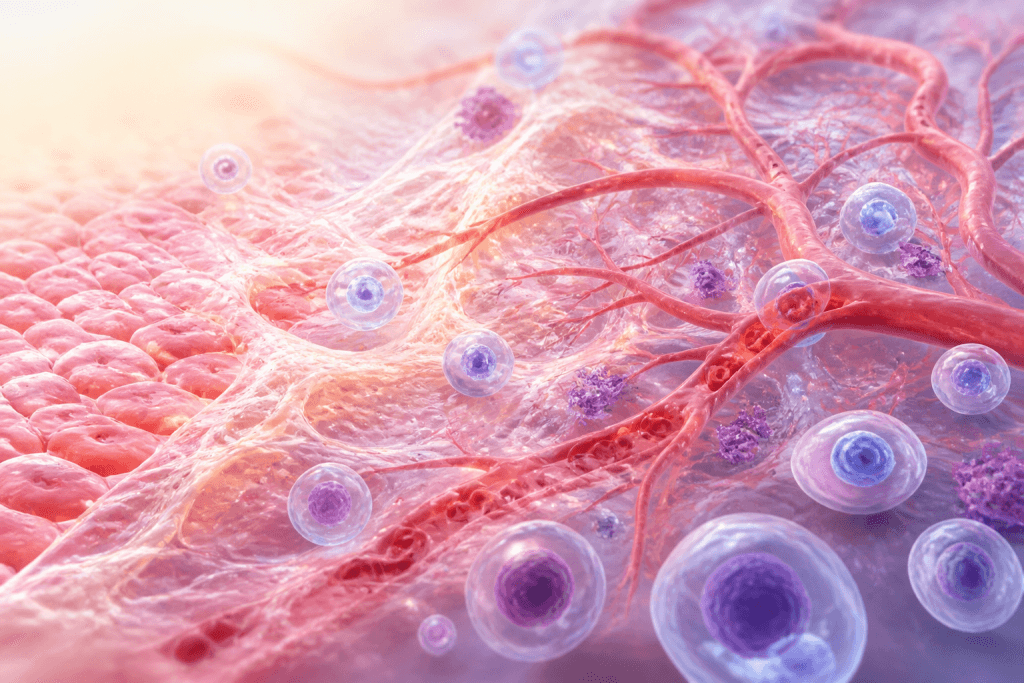
Before we explore how peptides may help, it’s essential to understand what your body is already doing.
When you experience tissue damage—whether from an injury, overuse, or simple wear and tear—your body initiates an elegant cascade of biological responses. Blood vessels dilate to deliver oxygen and nutrients to the injured area. Inflammatory cells arrive to clean up debris. Fibroblasts (cells that produce collagen and connective tissue) migrate to the site and begin rebuilding structural integrity. New blood vessels form to maintain the increased metabolic demands of healing.
This process is called tissue remodeling, and it’s the foundation of all recovery.
The challenge? This natural process can be slow, incomplete, or compromised by factors like aging, poor circulation, inflammation, inadequate nutrition, or excessive scar-tissue formation.
This is where the concept of peptide support becomes interesting.
BPC-157: The Peptide Derived from Gastric Protection
BPC-157 is a synthetic 15-amino-acid peptide originally identified in a protective sequence found in gastric juice. While most research has been conducted in laboratory and animal models, the proposed mechanisms offer compelling insights into how peptides might enhance your body’s natural repair capabilities.
How BPC-157 May Work

Angiogenesis Support: One of BPC-157’s most studied mechanisms involves stimulating the formation of new blood vessels. Think of this as improving the “supply lines” to your injured tissue. Better blood flow means more oxygen, more nutrients, and more waste removal—all essential for optimal healing.
Collagen and Fibroblast Activity: Research suggests BPC-157 may encourage fibroblasts—your body’s natural “repair cells”—to work more effectively. These cells produce collagen, the primary structural protein in tendons, ligaments, and connective tissue. Supporting their activity could theoretically enhance tissue remodeling efficiency.
Anti-inflammatory Modulation: While some inflammation is necessary for healing, excessive inflammation can slow recovery and contribute to chronic pain. Laboratory studies suggest BPC-157 may help balance inflammatory responses, potentially reducing unnecessary tissue damage during the healing cascade.
Gastrointestinal and Vascular Support: Beyond musculoskeletal tissue, research has explored BPC-157’s effects on the gastrointestinal lining and vascular function. These effects appear related to its influence on blood-vessel health and cellular signaling pathways involved in tissue integrity.
What Research Suggests BPC-157 May Support
Preclinical studies have reported possible benefits in:
- Tendon and ligament recovery
- Muscle-injury healing
- Gastrointestinal mucosal protection
- Wound closure and skin healing
- Potential nerve-repair support
- Reduction of inflammatory injury in various tissues
However, it’s crucial to note that most of this evidence comes from laboratory and animal studies. Human clinical evidence remains limited, though interest in formal human research is growing.
TB-500: The Cell-Migration and Actin-Regulating Peptide
TB-500 is commonly described as a synthetic fragment related to thymosin beta-4, a naturally occurring peptide involved in cellular movement and structure. Where BPC-157 tends to work more locally at injury sites, TB-500 appears designed to work more systemically throughout the body.
How TB-500 May Work

Actin Binding and Cytoskeletal Regulation: At the cellular level, actin is the protein that determines cell shape and enables cell movement. By interacting with actin, TB-500 may help repair-related cells migrate more efficiently to damaged areas—like opening pathways for your body’s natural repair forces to move into position.
Cell Migration Support: During tissue repair, cells like fibroblasts and endothelial cells need to migrate into the injured area. TB-500 may facilitate this movement, potentially accelerating the recruitment of repair cells to where they’re needed most.
Angiogenesis and Blood-Vessel Formation: Similar to BPC-157, TB-500 appears to support new blood-vessel formation, again improving the metabolic environment for healing.
Wound Healing and Re-epithelialization: Research suggests TB-500 may support the process by which surface tissues close wounds and regenerate protective barriers.
Anti-inflammatory and Anti-fibrotic Effects: Some research has examined whether TB-500 can reduce excessive scar-tissue formation and inflammatory-cell activity, promoting cleaner, more efficient healing.
What Research Suggests TB-500 May Support
Preclinical studies have explored TB-500 for:
- Soft-tissue and musculoskeletal recovery
- Systemic tissue repair and remodeling
- Wound healing and skin regeneration
- Potential cardiac and vascular benefits
- Ocular surface repair
- Reduction of excessive scar formation
Like BPC-157, the strongest evidence remains in preclinical models, with human data still emerging.
The Translation Gap: From Lab to Real Life
It’s important to acknowledge a critical reality: the fact that a peptide shows promise in laboratory studies doesn’t automatically mean it will produce the same results in human bodies. Variables like individual metabolism, age, nutrition, sleep, activity level, and overall health all influence how effectively any intervention works.
Recent human research on BPC-157 has begun to emerge. A 2025 safety pilot study represents one of the first formal human investigations, though results remain preliminary. For now, the most accurate assessment is that both BPC-157 and TB-500 have compelling theoretical mechanisms and promising preclinical data, but their clinical benefits in humans require further rigorous investigation.
Who Might Benefit Most from Peptide Support?
While clinical evidence is still developing, peptides like BPC-157 and TB-500 may be of particular interest for individuals dealing with:
- Chronic or slow-healing injuries: Tendon or ligament damage that isn’t responding as expected to standard rehabilitation
- Difficult soft-tissue recovery: Muscle strains, repetitive-use injuries, or post-surgical healing
- Age-related tissue decline: As we age, natural healing processes slow; peptide support may help compensate
- Gastrointestinal concerns: Those interested in mucosal-barrier support and digestive health
- Post-injury or post-surgical optimization: Individuals seeking to enhance their body’s natural recovery timeline
That said, using peptides should never delay proper medical evaluation. If you have a fracture, severe tear, infection, or unexplained persistent pain, clinical assessment takes priority.
Tracking Your Healing Journey
If you decide to explore peptide support as part of a recovery protocol, consistency and accurate tracking become crucial. Many users find that tools like the ShotLog app help maintain adherence with smart reminders and cloud-based notifications, ensuring you don’t miss your protocol timing.
Beyond compliance, tracking your actual progress is invaluable. The ShotLog app’s 14-point body measurement system and progress photo features allow you to visualize changes over time—muscle recovery, improved mobility, or other positive shifts. The app’s Biograph feature visualizes how peptide levels fluctuate in your body over time, helping you understand your body’s response to your protocol.
Many users also appreciate ShotLog’s integrated nutrition and hydration tracking (powered by a 1M+ food database), because optimal recovery depends on more than just peptides. Sleep, protein intake, hydration, and overall metabolic support all influence your body’s ability to rebuild itself.
Practical Considerations for Peptide Users
If you’re interested in exploring BPC-157, TB-500, or similar peptides, there are several practical considerations:
Storage and Temperature Control: Peptides are sensitive biological molecules that require proper storage conditions. For those who travel frequently or live in warm climates, the Ultimate Peptide Travel Cooler Case ensures your peptides maintain optimal temperature stability, preserving their biological activity.
Organization and Supply Management: Keeping your vials organized and protected is essential. A proper 3ml Vial Vault protects your supply from physical damage while making it easy to track inventory and rotation.
Quality and Purity Concerns: One of the most important safety considerations is ensuring product quality. Peptides purchased from unverified sources may have inaccurate labeling, contamination, or incorrect concentration. Always source from reputable suppliers who provide third-party testing documentation.
Important Safety and Efficacy Considerations
While peptides are exciting tools with compelling mechanisms, they’re not without considerations:
Long-term Safety Unknown: The long-term safety profile of BPC-157 and TB-500 in humans remains unclear. Limited information exists about prolonged exposure, reproductive effects, or effects on major organ systems.
Angiogenesis Implications: While stimulating blood-vessel growth supports healing, there are theoretical concerns about unwanted effects in certain conditions. This is a theoretical consideration—not proof of harm—but worth discussing with a healthcare provider.
Immunogenicity Risk: Any synthetic peptide can potentially trigger immune responses in some individuals, though this remains uncommon.
Symptom Masking: If peptides reduce pain perception, there’s a risk of resuming activity before structural healing is complete. Pain serves an important protective function; managing it must be balanced with allowing adequate recovery time.
Athletic Considerations: Athletes should verify current anti-doping regulations, as peptide-related substances may be restricted or prohibited in competitive sports.
The Bottom Line: Supporting Your Body’s Natural Renewal
The Ship of Theseus paradox reminds us that your body is constantly renewing itself. Every seven years, virtually every cell in your body has been replaced. The question isn’t whether renewal is possible—it’s whether we can optimize how efficiently it happens.
BPC-157 and TB-500 represent an intriguing frontier in peptide research, with biologically plausible mechanisms supported by promising preclinical evidence. They may help accelerate angiogenesis, support cellular migration, reduce inflammation, and enhance tissue remodeling—all natural processes your body performs constantly.
However, the honest assessment is that human clinical evidence remains limited. These are investigational tools with potential, not proven treatments. They work best as part of a comprehensive approach to recovery that includes:
- Proper diagnosis and medical evaluation
- Structured rehabilitation and progressive loading
- Optimal nutrition and hydration
- Quality sleep and stress management
- Smoking cessation (if applicable)
- Management of underlying health conditions
- Consistency with your chosen protocol
If you choose to explore peptide support, do so under guidance from a healthcare provider who understands peptide biology, sources products from reputable suppliers, tracks your progress systematically, and remains alert to how your body responds.
Your body’s ability to rebuild itself is remarkable. The right tools—whether peptides, proper recovery practices, or tracking technology—simply help you support what your body naturally wants to do.
—
Important Disclaimer
This article is for educational purposes only and should not be construed as medical advice. BPC-157 and TB-500 are investigational peptides not approved by the FDA for any therapeutic indication. The information presented represents current scientific understanding based on preclinical and limited clinical research. Individual responses vary, and long-term safety profiles remain incompletely characterized.
Before starting any peptide protocol, consult with a qualified healthcare provider who can evaluate your individual health status, review potential interactions with your medications, assess whether peptides are appropriate for your situation, and monitor your progress. Do not use peptides to delay evaluation of serious medical conditions. This is especially important if you have cancer history, cardiovascular disease, uncontrolled diabetes, pregnancy, or are taking medications affecting immune or vascular function.
—
Related Products from ShotLog
If you’re interested in exploring peptide therapy, these ShotLog products help ensure consistency, proper storage, and accurate tracking:
- Reusable Peptide Pen – V2 ($21.99-$24.99) — A precision injection tool for consistent, controlled administration of your peptide protocol.
- FDA-Cleared 510(k) Reusable 80 Unit Injection Pen (Nest Scientific) ($32.99) — Professional-grade precision injector for research and therapeutic use.
- The Ultimate Peptide Travel Cooler Case ($20.99) — Maintains proper temperature stability for peptides during travel or in warm environments.
- Universal Peptide Pen Needles ($12.99) — Compatible needles for precise, comfortable injection delivery.
- Premium Research Syringes (0.5ml, pack of