
If you’ve ever experienced redness, itching, or swelling after a peptide injection, you’re certainly not alone. These reactions, while concerning, are relatively common and often manageable with the right understanding and approach. Let’s explore why these reactions occur and how you can minimize them while continuing to benefit from peptide therapy.
The Science Behind Injection Site Reactions
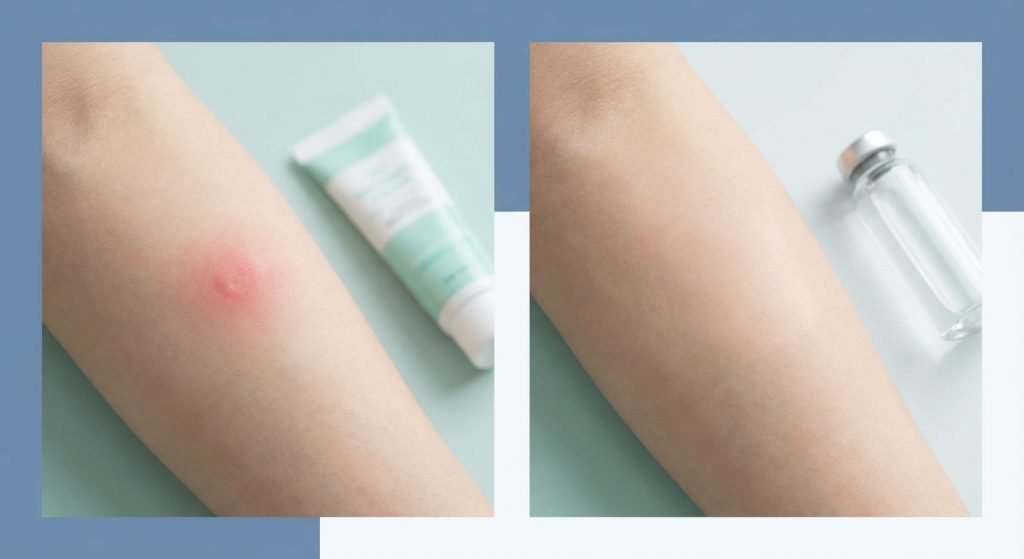
When you inject peptides subcutaneously, your body’s immune system springs into action as a protective mechanism. Understanding this process can help you better manage and prevent uncomfortable reactions.
Histamine Release and Mast Cell Activation
Your skin contains specialized immune cells called mast cells that act as sentinels, monitoring for foreign substances. When these cells encounter peptides, they can release histamine—a compound responsible for allergic reactions. This histamine release leads to the classic symptoms of redness, itching, swelling, and sometimes hives around the injection site.
Interestingly, this reaction doesn’t necessarily mean you’re allergic to the peptide itself. Research shows that certain peptides, including CJC-1295 and Tesamorelin, can trigger what’s known as a “pseudo-allergic reaction” through specific receptors called MRGPRX2. This mechanism explains why some people experience localized reactions without having a true peptide allergy.
The Role of Individual Sensitivity
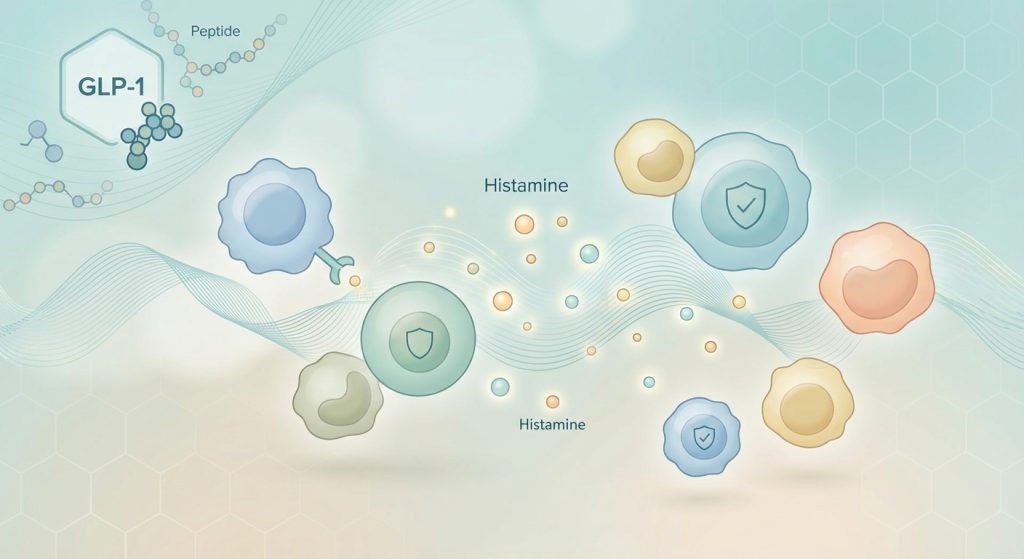
Not everyone experiences injection site reactions, and individual sensitivity varies significantly. Some people naturally have more reactive mast cells, making them more prone to histamine release. Additionally, factors like skin thickness, injection technique, and even stress levels can influence how your body responds to peptide injections.
Tracking your reactions and identifying patterns can be incredibly valuable for optimizing your peptide experience. The ShotLog app offers comprehensive tracking features that help users monitor injection sites, timing, and any reactions, providing valuable data to share with healthcare providers.
Common Types of Injection Site Reactions
Mild to Moderate Reactions
Most injection site reactions fall into the mild to moderate category and typically resolve within 24-48 hours. These may include:
- Localized redness (erythema)
- Minor swelling or raised bumps
- Itching or mild burning sensation
- Temporary skin discoloration
Factors That Influence Reaction Severity

Several factors can impact the severity and frequency of injection site reactions:
Injection Technique: Proper injection technique significantly reduces tissue trauma and subsequent inflammation. Using high-quality injection supplies, like the Universal Peptide Pen Needles available from ShotLog, ensures smooth, precise delivery that minimizes tissue damage.
Storage and Handling: Improperly stored peptides may develop impurities or lose stability, potentially increasing the likelihood of adverse reactions. Maintaining proper temperature control with solutions like the Ultimate Peptide Travel Cooler Case helps preserve peptide integrity and reduce reaction risks.
Injection Volume: Large injection volumes can stretch tissue and increase irritation. Research suggests that keeping injection volumes reasonable and rotating injection sites helps minimize localized reactions.
Evidence-Based Strategies for Minimizing Reactions
Optimize Your Injection Routine
Developing a consistent, methodical approach to peptide injections can significantly reduce reaction frequency and severity. Key strategies include:
Site Rotation: Regularly rotating injection sites prevents tissue buildup and reduces the likelihood of developing sensitized areas. ShotLog’s tracking features help users maintain proper rotation schedules and monitor which sites work best for their individual needs.
Temperature Considerations: Allowing refrigerated peptides to reach room temperature before injection can reduce the shock to your tissues and minimize inflammatory responses.
Proper Preparation: Ensuring your injection area is clean and using appropriate supplies, such as Premium Research Syringes for accurate preparation, helps prevent contamination-related reactions.
Post-Injection Care
How you care for injection sites after administration can significantly impact reaction severity and duration. Gentle care, avoiding excessive touching or rubbing, and monitoring for any unusual changes helps maintain healthy injection sites.
Some users find that applying a cool compress (not ice directly) for 10-15 minutes after injection can help reduce immediate inflammation and discomfort.
When to Seek Professional Guidance
While mild injection site reactions are common, certain symptoms warrant immediate medical attention:
- Severe swelling that spreads beyond the injection site
- Difficulty breathing or swallowing
- Widespread hives or rash
- Signs of infection (increasing redness, warmth, pus)
- Reactions that worsen rather than improve over time
Research published in medical literature emphasizes the importance of proper monitoring and professional oversight when using peptides like Ipamorelin and CJC-1295. These compounds, while generally well-tolerated, can cause serious adverse events in rare cases, particularly when administration protocols aren’t properly followed.
The Benefits of Consistent Monitoring
Keeping detailed records of your peptide experience helps identify patterns and optimize your protocol. Modern tracking tools make this process much simpler—ShotLog’s biograph visualization feature shows how peptide levels fluctuate in your body over time, while its comprehensive tracking system helps users monitor injection sites, timing, and any reactions.
This data becomes invaluable when working with healthcare providers to adjust protocols or identify potential sensitivities. The app’s data export feature allows you to share detailed reports with your medical team, facilitating more informed decisions about your peptide therapy.
Looking Forward: Maintaining Your Wellness Journey
Injection site reactions don’t have to derail your peptide therapy goals. With proper understanding, preparation, and monitoring, most people can successfully minimize these reactions while continuing to benefit from peptide therapy.
Remember that everyone’s response to peptides is unique, and what works best for one person may need adjustment for another. Staying organized with proper storage solutions, using quality injection supplies, and maintaining detailed records of your experience sets you up for long-term success.
Disclaimer: This information is for educational purposes only and should not replace professional medical advice. Always consult with qualified healthcare providers before starting any peptide therapy, and seek immediate medical attention for severe reactions or concerning symptoms.
Related Products from ShotLog
- Universal Peptide Pen Needles – High-quality needles for smooth, comfortable injections
- Ultimate Peptide Travel Cooler Case – Maintain proper peptide storage temperatures
- Premium Research Syringes – Precision syringes for accurate preparation
- Peptide Vial Cases – Keep your supplies organized and protected
Download the ShotLog app to track your peptide journey with smart protocol automation, progress monitoring, and comprehensive data visualization tools.