
GLP-1 Microdosing: The Science Behind More Stable Weight Loss Results
The traditional approach to GLP-1 therapy—large, infrequent injections—is being revolutionized by a more nuanced understanding of how these powerful hormones work in the body. GLP-1 microdosing represents a paradigm shift toward more stable, sustainable weight loss with significantly fewer side effects.
Understanding GLP-1 Hormone Dynamics
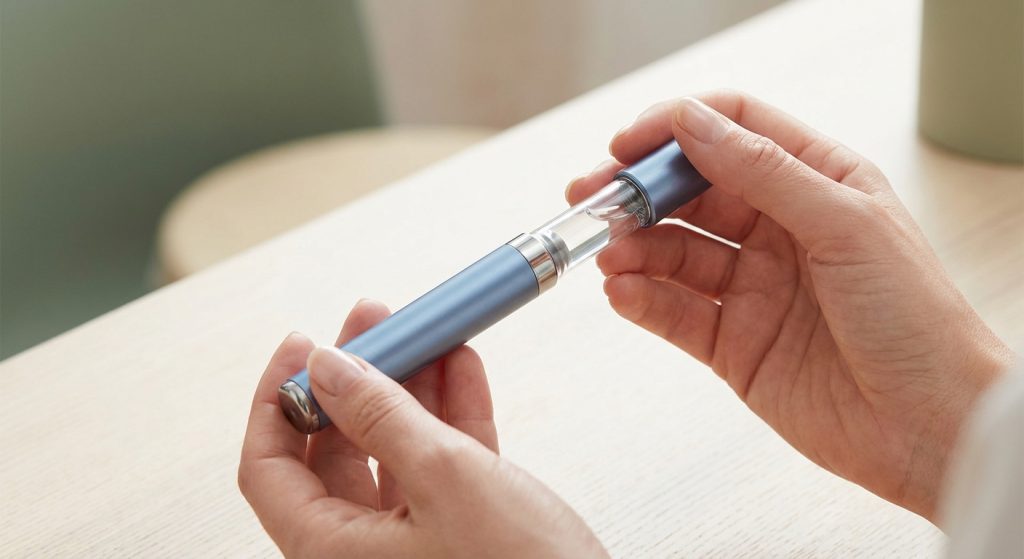
Glucagon-like peptide-1 (GLP-1) is a naturally occurring incretin hormone that plays a crucial role in metabolic regulation. When we eat, GLP-1 is released from intestinal cells, triggering a cascade of beneficial effects: it slows gastric emptying, enhances insulin sensitivity, suppresses glucagon release, and signals satiety to the brain.
The key insight driving the microdosing approach is that GLP-1 works best when present at consistent, moderate levels rather than in dramatic peaks and valleys. Research suggests that maintaining steady hormone concentrations leads to more predictable appetite control and metabolic benefits.
The Problem with Traditional Weekly Protocols

Conventional GLP-1 therapy typically involves large, infrequent injections that create significant fluctuations in blood hormone levels. This approach can trigger what researchers call a “pharmacological shock” to the system, overwhelming the body’s natural regulatory mechanisms.
The result? A rollercoaster of effects that many users find difficult to manage. High peak concentrations can cause intense nausea, while the subsequent drops in hormone levels may lead to rebound hunger and energy crashes. This instability makes it challenging to maintain consistent eating patterns and energy levels throughout the week.
Many users find that tracking these fluctuations helps them better understand their body’s response patterns. Tools like the ShotLog app can help monitor how different approaches affect energy levels, appetite, and overall well-being through detailed biograph visualizations that show medication levels over time.
How Microdosing Creates Stability
GLP-1 microdosing works by distributing the same total amount of medication across multiple smaller administrations. This approach leverages the principle of steady-state pharmacokinetics—maintaining more consistent blood levels of the active compound.
When GLP-1 levels remain stable, several beneficial effects occur:
- Smoother Appetite Regulation: Rather than experiencing extreme appetite suppression followed by intense cravings, users report more natural hunger cues and sustainable eating patterns.
- Enhanced Metabolic Efficiency: Stable GLP-1 levels support consistent insulin sensitivity and glucose control, leading to more predictable energy levels throughout the day.
- Reduced Digestive Disruption: The moderate, consistent gastric emptying effects prevent the severe nausea and digestive issues associated with peak hormone concentrations.
- Better Muscle Preservation: More stable appetite control allows for adequate protein intake and supports lean muscle mass retention during weight loss.
The Metabolic Advantages

Research indicates that GLP-1 receptor agonists provide benefits beyond weight loss, including improvements in cardiovascular health, liver function, and inflammation markers. Microdosing may enhance these effects by maintaining consistent receptor activation without overwhelming the system.
Studies have shown that steady GLP-1 levels can improve hepatic fat content, reduce inflammatory markers, and support better cardiovascular outcomes. The consistent hormone signaling appears to optimize metabolic pathways that are crucial for long-term health.
For those tracking their transformation journey, maintaining detailed records of these improvements becomes valuable. The ShotLog app’s comprehensive tracking features, including 14-point body measurements and progress photos, help users document the subtle but significant changes that occur with more stable hormone levels.
Practical Benefits Users Report
Individuals who have transitioned to microdosing protocols frequently report several key improvements:
- Minimal Side Effects: The most commonly cited benefit is a dramatic reduction in nausea, vomiting, and digestive discomfort.
- Consistent Energy: Users report more stable energy levels throughout the week, without the peaks and crashes associated with larger injections.
- Sustainable Eating Patterns: Rather than alternating between periods of no appetite and intense cravings, microdosing supports more natural, manageable hunger patterns.
- Better Exercise Performance: Stable energy levels and adequate nutrition intake support consistent workout performance and recovery.
- Improved Sleep Quality: Many users note better sleep patterns, likely due to more stable blood sugar and reduced digestive disruption.
Who May Benefit Most
GLP-1 microdosing may be particularly beneficial for individuals who:
- Experience significant side effects with traditional protocols
- Have demanding physical training schedules
- Struggle with the appetite rollercoaster of weekly injections
- Want more predictable, sustainable weight loss
- Are sensitive to medication fluctuations
Athletes and fitness enthusiasts often find microdosing particularly appealing because it allows them to maintain adequate nutrition for performance while still benefiting from GLP-1’s metabolic effects.
Implementation Considerations
Successfully implementing a microdosing approach requires attention to several factors. Consistency becomes even more critical when using smaller, more frequent administrations. Having reliable equipment and organizational systems supports adherence to the more complex schedule.
Many users find that proper storage solutions, like the Ultimate Peptide Travel Cooler Case, become essential when managing multiple injections throughout the week, especially for those with busy lifestyles or frequent travel schedules.
Tracking becomes particularly important with microdosing protocols. The ShotLog app’s smart protocol automation can help manage the more complex scheduling requirements while ensuring proper timing and consistency.
Safety and Monitoring
While microdosing may reduce acute side effects, it’s essential to maintain proper medical supervision throughout any GLP-1 therapy. Regular monitoring of blood glucose, kidney function, and other metabolic markers remains important regardless of the administration schedule.
The more frequent injection schedule also requires attention to injection site rotation and proper technique to prevent lipodystrophy or injection site reactions. Using high-quality needles and maintaining sterile technique becomes even more critical with increased injection frequency.
The Future of Personalized GLP-1 Therapy
GLP-1 microdosing represents a move toward more personalized, patient-centered approaches to metabolic therapy. As our understanding of individual variations in hormone metabolism and receptor sensitivity grows, we’re likely to see even more tailored approaches to GLP-1 administration.
This personalization extends beyond just injection frequency to include timing, combination with other therapies, and integration with lifestyle factors like exercise and nutrition. The goal is creating sustainable, long-term metabolic improvements rather than just rapid short-term weight loss.
Disclaimer: This information is for educational purposes only and should not be considered medical advice. GLP-1 medications require prescription and medical supervision. Always consult with a qualified healthcare provider before starting, stopping, or modifying any medication regimen. Your healthcare provider can help determine if GLP-1 microdosing is appropriate for your individual situation and provide proper medical oversight.
Related Products from ShotLog
- Reusable Peptide Pen ($20.99) – Reliable delivery system for consistent microdosing protocols
- Universal Peptide Pen Needles ($9.49) – High-quality needles for comfortable, frequent injections
- Ultimate Peptide Travel Cooler Case ($29.99) – Essential for maintaining medication stability with increased injection frequency
- ShotLog App (Free) – Smart protocol automation and biograph visualization for optimal microdosing management