Why NAD+ Injections Fail and How to Unlock Their Full Potential
You’ve invested in NAD+ injections expecting transformative results—boundless energy, razor-sharp mental clarity, and effortless fat loss. Instead, you’re left feeling frustrated and wondering if you’ve wasted your money. If this sounds familiar, you’re not alone. Many people experience disappointing results from NAD+ therapy, but the problem isn’t with NAD+ itself—it’s with what’s happening inside your body that’s sabotaging your investment.
The culprit? A sneaky enzyme called NNMT (Nicotinamide N-Methyltransferase) that’s quietly undermining your NAD+ therapy before it can deliver the promised benefits. Understanding this mechanism—and how to address it—could be the key to finally unlocking NAD+’s full potential.
Understanding NAD+: Your Body’s Master Energy Currency
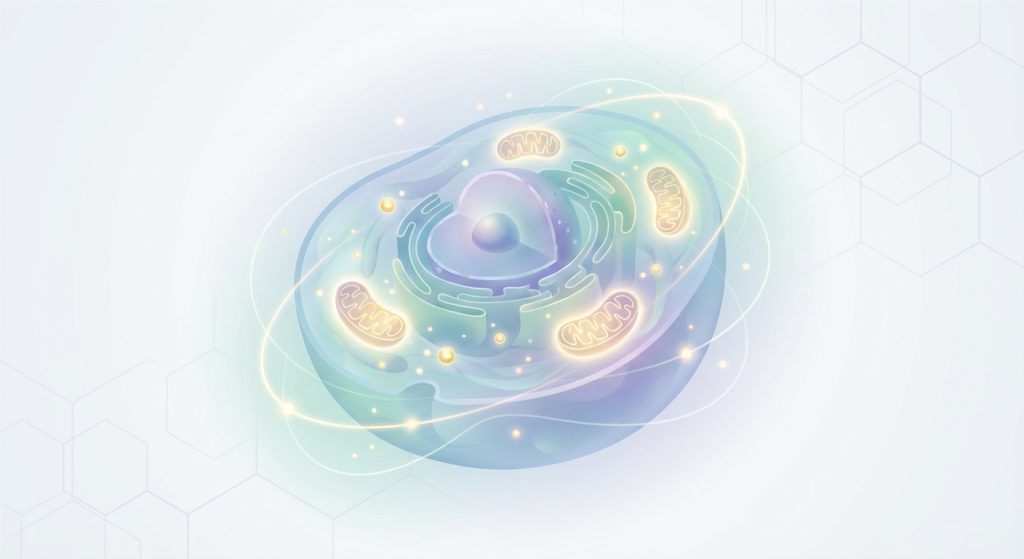
NAD+ (nicotinamide adenine dinucleotide) functions as your body’s cellular energy currency, present in every single cell and essential for life itself. This powerful coenzyme operates in two primary ways: as an electron carrier in energy production and as a substrate for critical cellular repair processes.
In your mitochondria—the powerhouses of your cells—NAD+ facilitates the electron transport chain, enabling your body to convert nutrients into ATP, the ultimate energy molecule. Beyond energy production, NAD+ serves as fuel for sirtuins, often called “longevity proteins,” which regulate aging processes, stress response, and metabolic function. It also powers DNA repair mechanisms through PARP enzymes, helping maintain cellular integrity as you age.
The science behind NAD+’s benefits is compelling. Research shows that adequate NAD+ levels support enhanced mitochondrial function, improved cardiovascular health, better stress resilience, and may even slow cellular aging. These mechanisms explain why people seek NAD+ therapy for energy enhancement, cognitive improvement, and metabolic optimization.
The Hidden Saboteur: Why Your NAD+ Gets Wasted

Here’s where the plot thickens. Your body naturally maintains NAD+ levels through a recycling process called the salvage pathway. When NAD+ breaks down, it produces nicotinamide (NAM), which should be recycled back into NAD+ through a series of enzymatic reactions. This recycling is crucial because your body consumes NAD+ rapidly—sometimes faster than it can produce new supplies.
Enter NNMT, the enzyme that’s sabotaging this entire process. NNMT methylates nicotinamide, converting it into methylnicotinamide—a compound that cannot be recycled back into NAD+. Essentially, NNMT acts like a drain in your NAD+ recycling system, allowing precious resources to leak out before they can be reused.
This explains why many people inject significant amounts of NAD+ yet experience minimal benefits. The NNMT enzyme continues working against them, ensuring that much of the injected NAD+ gets wasted rather than utilized effectively. For those tracking their therapy progress, tools like the ShotLog app can help document energy levels and other biomarkers to identify when NAD+ therapy isn’t delivering expected results.
The Game-Changer: How 5-Amino-1MQ Preserves Your Investment

5-Amino-1MQ represents a breakthrough in NAD+ optimization. This small molecule peptide works as a selective NNMT inhibitor, essentially plugging the drain that’s been wasting your NAD+ resources. By blocking NNMT activity, 5-Amino-1MQ prevents nicotinamide from being methylated and lost, instead allowing it to re-enter the salvage pathway where it belongs.
The mechanism is elegantly simple: when NNMT can’t methylate nicotinamide, more substrate becomes available for the rate-limiting enzyme NAMPT, which converts nicotinamide back into NAD+. This creates a more efficient recycling system, ensuring that both endogenous NAD+ and any injected NAD+ can be better preserved and utilized.
Clinical research supports this approach. Studies have demonstrated that NNMT inhibition in metabolic tissues leads to increased NAD+ availability, enhanced energy expenditure, and improved metabolic function. In animal models, NNMT inhibition resulted in better glucose metabolism, increased fat oxidation, and enhanced mitochondrial function—all without changes to diet or exercise.
Maximizing Your NAD+ Therapy Results
The combination of NAD+ supplementation with NNMT inhibition represents a more sophisticated approach to cellular optimization. Rather than simply flooding the system with NAD+ and hoping for the best, this strategy addresses the underlying inefficiency that causes many therapies to fail.
People who benefit most from this combination approach typically include those with metabolic dysfunction, where NNMT is often overexpressed in fat tissue, and individuals experiencing age-related NAD+ decline. Those who’ve tried NAD+ injections with disappointing results may find that addressing NNMT activity makes the difference between wasted money and transformative results.
Consistency remains crucial for any NAD+ protocol. Many users find success maintaining their therapy routine with smart reminder systems and progress tracking tools. The ShotLog app offers comprehensive tracking features including biograph visualization that shows how NAD+ levels fluctuate in your body over time, helping you understand your individual response patterns.
The benefits reported by those using optimized NAD+ protocols include sustained energy throughout the day, improved mental clarity and focus, enhanced exercise recovery, better sleep quality, and more efficient fat metabolism. Unlike standalone NAD+ injections that may provide temporary boosts followed by crashes, properly optimized protocols tend to deliver more consistent, sustained improvements.
Safety and Considerations
NAD+ has an excellent safety profile as an endogenous molecule that your body naturally produces and utilizes. The main considerations with direct NAD+ administration involve injection site reactions and occasional flushing or nausea from rapid nicotinamide release, which can usually be minimized with proper administration techniques.
NNMT inhibition through 5-Amino-1MQ appears well-tolerated in research studies, showing tissue-specific action without broad methylation disruption. However, as with any therapeutic intervention, individual responses can vary. Some people may experience metabolic shifts as their NAD+ efficiency improves, which should be monitored appropriately.
For those managing complex protocols, staying organized with proper storage solutions becomes important. Whether you’re traveling or maintaining supplies at home, keeping peptides properly stored ensures therapeutic potency and safety.
The Future of NAD+ Optimization
Understanding why NAD+ therapy fails for some people opens new possibilities for personalized approaches to cellular health. Rather than accepting disappointing results, individuals can now address the underlying enzymatic interference that prevents optimal NAD+ utilization.
This represents a shift from simple supplementation to intelligent optimization—identifying and addressing the specific bottlenecks that prevent therapeutic success. For the peptide community, this knowledge empowers more effective, targeted approaches to achieving the energy, clarity, and metabolic benefits that make NAD+ therapy worthwhile.
As research continues to evolve, we’re likely to see more sophisticated strategies for optimizing NAD+ metabolism, potentially including combination approaches, timing strategies, and personalized protocols based on individual NNMT activity levels.
Disclaimer: This information is for educational purposes only and should not be considered medical advice. NAD+ and 5-Amino-1MQ protocols should be discussed with qualified healthcare providers who can assess your individual health status, monitor your response to therapy, and adjust treatments as needed. Always consult with medical professionals before beginning any new therapeutic protocol.
Related Products from ShotLog
For those pursuing NAD+ optimization protocols, proper equipment and organization can enhance your experience:
- NEST Professional Research Pen Injector ($44.99) – Precision injection device for consistent, accurate delivery
- Ultimate Peptide Travel Cooler Case ($29.99) – Maintain proper storage temperatures wherever your protocol takes you
- Peptide Vial Cases ($4.98-$9.98) – Keep your supplies organized and protected
- ShotLog App – Track your progress, maintain consistency, and visualize your optimization journey with comprehensive health monitoring tools