
Understanding the Gastric Emptying Effect: A Feature, Not a Flaw
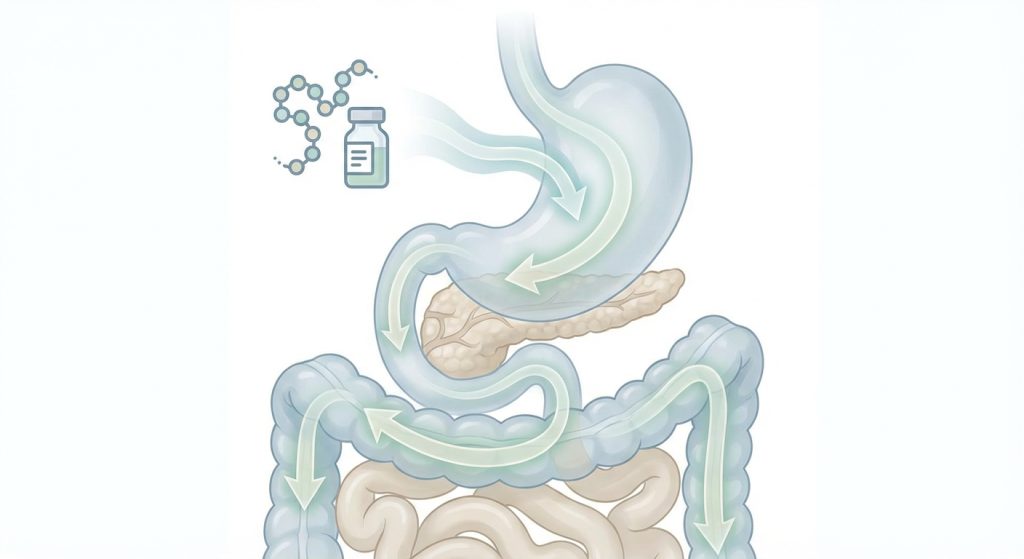
When critics discuss GLP-1 receptor agonists like semaglutide and tirzepatide, they often point to “slowed gastric emptying” as if it’s a concerning side effect. In reality, this mechanism is one of the most sophisticated aspects of how these peptides work to transform your metabolic health. Rather than being something to fear, slowed gastric emptying is a carefully orchestrated biological process that delivers powerful benefits for blood sugar control, weight management, and overall wellness.
The Science: How GLP-1s Modulate Your Digestive Process

Normal Gastric Emptying vs. GLP-1 Enhancement
Under normal circumstances, your stomach acts like a regulated gateway, releasing food into the small intestine at varying speeds depending on what you’ve eaten. High-carbohydrate, low-fat meals typically move through quickly, while protein and fat-rich foods naturally slow the process. This timing directly influences how rapidly nutrients—especially glucose—enter your bloodstream.
GLP-1 receptor agonists work by activating the same receptors that your body’s natural GLP-1 hormone targets throughout your digestive system, pancreas, and brain. When these receptors are activated, they slow stomach motility in a controlled manner, preventing the rapid “dumping” of food contents into the small intestine.
The Metabolic Benefits in Action

This modulated gastric emptying creates a cascade of positive effects:
Blood Sugar Stabilization: By releasing nutrients gradually, GLP-1s prevent the sharp glucose spikes that can occur after meals. Research shows this dose-dependent slowing of gastric emptying represents a major mechanism contributing to improved post-meal glucose control, particularly beneficial for those with type 2 diabetes whose natural GLP-1 response may be blunted.
Enhanced Satiety Signaling: The prolonged presence of food in the stomach triggers sustained satiety signals to your brain’s hypothalamus. This isn’t just about feeling “full”—it’s about genuine appetite regulation that helps reduce cravings and overall caloric intake. Many users find that tracking these satiety improvements with tools like the ShotLog app helps them better understand their body’s new hunger and fullness cues.
Optimized Nutrient Absorption: Rather than overwhelming your digestive system with a sudden influx of nutrients, the controlled release allows for more efficient absorption and utilization of vitamins, minerals, and macronutrients.
Clinical Evidence: What Research Reveals
Multiple clinical trials have demonstrated the effectiveness of this gastric emptying modulation. Studies show that GLP-1 receptor agonists can reduce HbA1c levels by approximately 1% while supporting significant weight loss—effects that stem directly from this controlled digestive process.
The cardiovascular benefits are equally impressive. Research indicates that the steady glucose appearance in the bloodstream, combined with improved insulin sensitivity, contributes to reduced cardiovascular event risk in patients with type 2 diabetes.
Importantly, studies emphasize that this slowed emptying occurs primarily in the first hour after eating, supporting fullness and glucose control without causing long-term digestive complications. The effect is reversible and represents a sophisticated enhancement of your body’s natural regulatory mechanisms rather than a harmful disruption.
Who Benefits Most from This Mechanism
The gastric emptying effects of GLP-1s are particularly beneficial for:
Individuals with Type 2 Diabetes: Those with insulin resistance or blunted natural GLP-1 responses see dramatic improvements in post-meal glucose control and overall glycemic management.
People Seeking Sustainable Weight Loss: Unlike restrictive diets that fight against your body’s hunger signals, the appetite regulation from slowed gastric emptying works with your natural satiety mechanisms.
Those with Metabolic Syndrome: The combination of improved glucose control, reduced appetite, and enhanced insulin sensitivity addresses multiple risk factors simultaneously.
Individuals with Previous Diet Failures: Many people find success with GLP-1s because the mechanism addresses the hormonal and physiological challenges that make traditional calorie restriction difficult to maintain long-term.
Optimizing Your Experience
Understanding how gastric emptying works can help you maximize the benefits while minimizing any initial digestive adjustments:
Meal Timing and Size: Smaller, more frequent meals work better with the slowed emptying process. This approach helps prevent the feeling of excessive fullness while maintaining steady nutrient delivery.
Hydration and Electrolyte Balance: Proper hydration supports the digestive process and can help prevent constipation, which some people experience as their system adjusts. The ShotLog app’s hydration tracking feature can help you maintain optimal fluid intake during your peptide journey.
Progress Monitoring: Tracking your body’s response helps you understand how the medication is working. Tools like ShotLog’s Biograph feature can visualize how your medication levels fluctuate over time, helping you understand the relationship between your protocol and how you feel throughout the day.
Nutritional Awareness: Focus on nutrient-dense foods that provide sustained energy. The enhanced satiety means you’ll naturally eat less, so making every bite count becomes even more important.
Safety Considerations and What to Expect
Most people experience mild gastrointestinal effects like nausea or feelings of fullness during the initial weeks of treatment. These symptoms typically resolve as your body adapts to the new digestive rhythm. The key is understanding that these effects represent your system adjusting to improved metabolic function rather than harmful dysfunction.
Rare but serious considerations include potential gallbladder issues or acute pancreatitis, which is why medical supervision is essential. Regular monitoring allows healthcare providers to ensure you’re experiencing the benefits while maintaining safety.
For those who travel frequently, maintaining consistency with proper storage becomes crucial. Solutions like the Ultimate Peptide Travel Cooler Case ensure your peptides remain effective regardless of your location, supporting the consistent gastric emptying effects that drive your results.
The Bigger Picture: A Natural Enhancement
The slowed gastric emptying effect of GLP-1 receptor agonists represents sophisticated metabolic enhancement rather than artificial manipulation. These peptides work by amplifying your body’s existing regulatory mechanisms, creating sustainable changes in appetite, glucose control, and weight management.
Rather than fighting against your physiology, GLP-1s work with your natural systems to create lasting transformation. The gastric emptying modulation is just one part of a comprehensive metabolic reset that includes improved insulin sensitivity, enhanced fat metabolism, and better appetite regulation.
Understanding this mechanism helps explain why so many people find long-term success with GLP-1 therapies when other approaches have failed. You’re not just reducing calories or forcing weight loss—you’re optimizing the fundamental processes that control hunger, satiety, and metabolic health.
Disclaimer: This information is for educational purposes only and should not replace professional medical advice. Always consult with your healthcare provider before starting any new medication or making changes to your treatment plan. Individual results may vary, and medical supervision is essential for safe and effective use of GLP-1 medications.
Related Products from ShotLog
- Reusable Peptide Pen ($20.99) – Precision delivery system for consistent dosing
- Ultimate Peptide Travel Cooler Case ($29.99) – Temperature-controlled storage for travel and daily use
- Universal Peptide Pen Needles ($9.49) – Compatible needles for comfortable injections
- ShotLog App – Track your progress, monitor medication levels, and optimize your peptide journey with comprehensive tracking tools