
The Evolution of Metabolic Therapy: From Dual to Triple Action
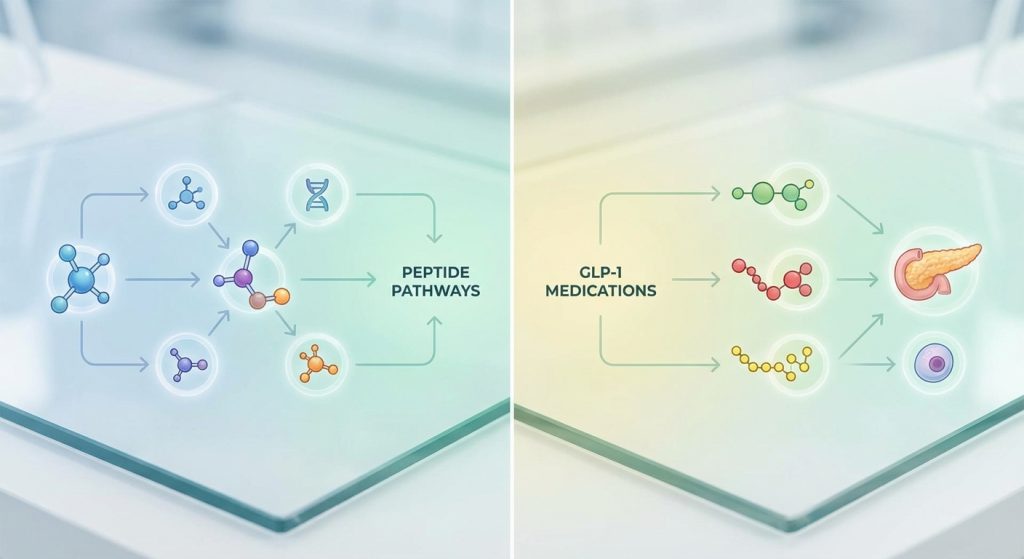
The landscape of metabolic health treatment is rapidly evolving, with many individuals considering a transition from tirzepatide to retatrutide. This shift represents more than just changing medications—it’s about leveraging advanced science for potentially superior metabolic outcomes. Understanding the mechanisms, benefits, and considerations involved in this transition can help you make informed decisions about your health journey.
Understanding the Key Players: How They Work
Tirzepatide: The Dual-Action Pioneer
Tirzepatide operates as a dual agonist, targeting both glucose-dependent insulinotropic polypeptide (GIP) and glucagon-like peptide-1 (GLP-1) receptors. This sophisticated mechanism works through several pathways:
- Enhanced Insulin Response: Stimulates glucose-dependent insulin secretion from pancreatic beta cells, improving both first- and second-phase insulin responses
- Glucagon Suppression: Reduces inappropriate glucagon release in insulin-sensitive states, helping control hepatic glucose production
- Appetite Regulation: Acts on brain appetite centers while slowing gastric emptying, creating prolonged feelings of fullness
- Metabolic Enhancement: Boosts lipid metabolism, with GIP receptor activation uniquely targeting adipose tissue
Retatrutide: The Triple-Action Advancement

Retatrutide takes metabolic therapy further by adding glucagon receptor agonism to the GLP-1 and GIP targeting. This triple-action approach potentially amplifies:
- Fat Oxidation: Enhanced breakdown of stored fat through multiple metabolic pathways
- Energy Expenditure: Increased metabolic rate through glucagon’s thermogenic effects
- Liver Fat Reduction: More comprehensive hepatic fat clearance
- Metabolic Flexibility: Improved ability to switch between fuel sources
The Benefits of Transitioning: What Research Shows
Clinical evidence suggests several advantages to transitioning from tirzepatide’s dual action to retatrutide’s triple mechanism:
Enhanced Fat Loss Potential
The addition of glucagon receptor agonism may provide superior fat loss compared to dual agonists alone. This occurs through increased lipolysis and enhanced fat oxidation, particularly targeting visceral adipose tissue that’s often resistant to other interventions.
Improved Glycemic Control
Early trials indicate that retatrutide’s triple action may offer more comprehensive glucose management. The glucagon component helps fine-tune hepatic glucose production while the GLP-1 and GIP actions continue their proven benefits on insulin sensitivity and secretion.
Broader Metabolic Benefits

The triple-receptor approach addresses metabolic health from multiple angles simultaneously, potentially offering improvements in areas where dual therapy may plateau. This comprehensive approach may be particularly beneficial for individuals who have reached a weight loss plateau on tirzepatide.
Many users find that tracking their progress during transitions becomes crucial for understanding their body’s response. Tools like the ShotLog app can help monitor these changes with features like biograph visualization, which shows how medication levels fluctuate in your body over time, helping you understand the transition process more clearly.
Who May Benefit Most from This Transition
The transition from tirzepatide to retatrutide may be particularly beneficial for:
- Individuals experiencing weight loss plateaus on current dual agonist therapy
- Those seeking enhanced fat loss, particularly stubborn visceral adiposity
- People with complex metabolic needs requiring more comprehensive receptor targeting
- Individuals focused on body composition rather than just weight reduction
Understanding the Transition Process
Transitioning between these powerful metabolic agents requires careful planning and gradual changes. The key principles include:
Gradual Tapering Approach
Clinical experience emphasizes the importance of gradual reduction rather than abrupt discontinuation. Tirzepatide’s 5-day half-life allows for natural clearance, but sudden stops can lead to appetite rebound and metabolic fluctuations within 2-3 weeks.
Monitoring and Adjustment
During transitions, consistent tracking becomes essential. The ShotLog app’s smart protocol automation can help maintain consistency during this critical period, while progress tracking features allow you to monitor 14-point body measurements and document any changes throughout the transition.
Professional Guidance
Working with healthcare providers experienced in peptide therapy ensures personalized protocols based on your individual response patterns, medical history, and metabolic goals.
Safety Considerations and What to Expect
Both medications share similar safety profiles with the GLP-1 class, but understanding potential effects helps set realistic expectations:
Common Transitional Effects
- Temporary gastrointestinal adjustment as your body adapts to the new mechanism
- Potential appetite fluctuations during the changeover period
- Metabolic recalibration as different receptor pathways are activated
Maintaining Consistency
Consistency during transitions is crucial for optimal outcomes. Proper organization of your supplies with appropriate storage solutions helps maintain routine. For those who travel frequently, maintaining proper medication storage becomes even more important during transition periods.
The Future of Metabolic Therapy
The evolution from single-target to multi-target approaches represents the future of metabolic medicine. As our understanding of hormone interactions deepens, treatments become more sophisticated and potentially more effective.
Research continues to reveal how different receptor combinations can provide synergistic benefits beyond what single or dual approaches offer. This scientific advancement gives individuals more options for achieving their metabolic health goals.
Making an Informed Decision
The decision to transition from tirzepatide to retatrutide should be based on individual needs, current progress, and metabolic goals. Factors to consider include:
- Current treatment response and any plateaus experienced
- Specific metabolic objectives (weight loss, body composition, glycemic control)
- Individual tolerance and side effect profile
- Long-term health and wellness goals
Documentation of your current progress provides valuable baseline data for comparison. Features like progress photos and detailed measurements help both you and your healthcare provider assess the effectiveness of any transition.
Important Disclaimer: This article is for educational purposes only and should not be considered medical advice. Transitioning between medications should only be done under the guidance of qualified healthcare providers who can assess your individual needs, monitor your progress, and adjust protocols as necessary. Always consult with your healthcare team before making changes to your treatment regimen.
Related Products from ShotLog
Support your peptide journey with quality supplies and tracking tools:
- Reusable Peptide Pen ($20.99) – Reliable delivery system for consistent administration
- Ultimate Peptide Travel Cooler Case ($29.99) – Maintain proper temperature during travel and transitions
- Peptide Vial Cases ($4.98-$9.98) – Keep your supplies organized and protected
- ShotLog App – Comprehensive tracking platform for iOS and Android with smart protocol automation and progress monitoring