
Understanding NAD+: Your Body’s Master Metabolic Regulator
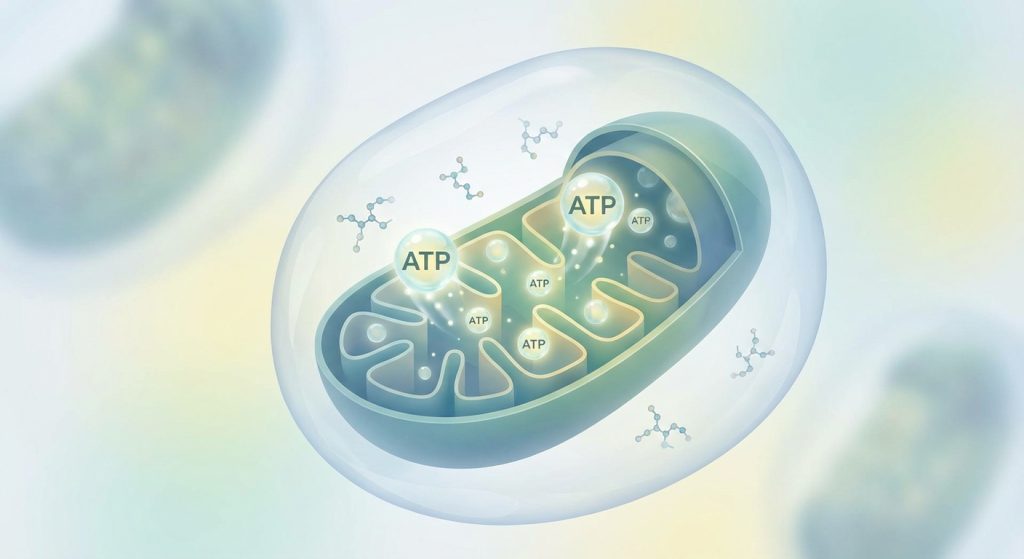
If you’ve been researching longevity, cellular health, or metabolic optimization, you’ve likely encountered NAD+ (nicotinamide adenine dinucleotide). This remarkable coenzyme is far more than just another wellness buzzword—it’s a fundamental component of cellular energy production that plays a crucial role in how your body ages, recovers, and maintains metabolic function.
NAD+ serves as a critical cofactor in hundreds of enzymatic reactions throughout your body, making it essential for everything from energy metabolism to DNA repair. As research continues to unveil its importance, many health-conscious individuals are exploring NAD+ optimization as part of their wellness journey.
The Science: How NAD+ Powers Your Cellular Engine

At the cellular level, NAD+ functions like a cellular currency for energy transactions. Your mitochondria—often called the powerhouses of your cells—depend on NAD+ to convert nutrients into ATP (adenosine triphosphate), the energy molecule that fuels virtually every biological process in your body.
The mechanism is elegantly simple yet profound: NAD+ accepts and donates electrons during metabolic reactions, facilitating the conversion of glucose, fats, and proteins into usable energy. According to research published in the NIH’s PMC database, NAD+ plays a pivotal role in cellular metabolism and serves as a co-substrate for enzymes involved in pathways that influence aging processes.
This coenzyme also activates sirtuins, a family of proteins often called “longevity genes” that regulate cellular stress responses, DNA repair, and metabolic homeostasis. When NAD+ levels are optimal, these protective mechanisms function more efficiently, potentially supporting healthier aging and improved cellular resilience.
The Age-Related Decline: Why NAD+ Levels Matter More Over Time
One of the most significant findings in NAD+ research is the dramatic decline that occurs with age. Studies suggest that NAD+ levels can drop by as much as 50% between your twenties and fifties. This decline isn’t just a number—it translates into real-world effects that many people experience as they age.
The reduction in NAD+ availability can manifest as:
– Decreased energy levels and increased fatigue
– Slower recovery from exercise or physical stress
– Reduced metabolic efficiency
– Compromised cellular repair mechanisms
– Diminished cognitive clarity and focus
Beyond natural aging, lifestyle factors can accelerate NAD+ depletion. Chronic stress, poor sleep quality, excessive alcohol consumption, high sugar intake, and even intense physical training can drain your body’s NAD+ reserves faster than they can be replenished.
NAD+ and Metabolic Enhancement: The GLP-1 Connection

Recent research has highlighted an intriguing relationship between NAD+ and metabolic health, particularly in the context of weight management therapies. For individuals using GLP-1 medications for weight loss, NAD+ optimization may offer complementary benefits that support the overall metabolic transformation process.
GLP-1 receptor agonists work by enhancing insulin sensitivity, slowing gastric emptying, and promoting satiety. When combined with adequate NAD+ levels, these effects may be enhanced through improved mitochondrial function and more efficient energy utilization. Many users find that tracking their progress becomes more meaningful when they can visualize how different interventions work together—tools like the ShotLog app help users monitor their transformation with comprehensive progress tracking, including 14-point body measurements and progress photos that can reveal the subtle but important changes that occur during metabolic optimization.
Pathways to NAD+ Optimization
The body produces NAD+ through several biosynthetic pathways, and understanding these can help inform optimization strategies. The primary pathways include:
The Salvage Pathway: This is your body’s most efficient route for NAD+ production, recycling NAD+ precursors like nicotinamide and nicotinic acid that come from dietary sources or cellular breakdown products.
The De Novo Pathway: Starting from the amino acid tryptophan, this pathway creates NAD+ from scratch, though it’s less efficient than the salvage pathway.
The Preiss-Handler Pathway: This route uses nicotinic acid (niacin) as a starting material to synthesize NAD+.
Research indicates that supporting these pathways through various interventions can help maintain or restore NAD+ levels, potentially countering age-related decline and supporting optimal cellular function.
Clinical Evidence and Research Findings
The scientific literature surrounding NAD+ is robust and growing. Clinical evidence suggests that interventions aimed at increasing NAD+ levels can produce numerous benefits for cardiometabolic health, as noted in research examining NAD+ therapeutics.
Studies have demonstrated that NAD+ optimization may support:
– Enhanced mitochondrial biogenesis and function
– Improved insulin sensitivity and glucose metabolism
– Better cellular stress resistance
– Enhanced DNA repair mechanisms
– Optimized circadian rhythm regulation
– Improved cognitive function and neuroprotection
For individuals focused on body composition changes, the metabolic benefits of NAD+ optimization can be particularly relevant. The coenzyme’s role in fat oxidation and energy metabolism may complement other wellness interventions, creating a synergistic approach to health optimization.
Who May Benefit from NAD+ Optimization?
NAD+ optimization may be particularly beneficial for individuals experiencing:
– Age-related energy decline or metabolic slowdown
– Difficulty recovering from exercise or physical stress
– Cognitive fog or reduced mental clarity
– Metabolic challenges or weight management goals
– Interest in longevity and cellular health optimization
– High-stress lifestyles that may accelerate NAD+ depletion
Athletes and fitness enthusiasts may find NAD+ optimization especially valuable for supporting recovery and performance. The coenzyme’s role in cellular energy production and repair makes it a natural fit for those pushing their physical limits.
Monitoring Your Optimization Journey
Successful NAD+ optimization, like any health intervention, benefits from careful tracking and monitoring. Many individuals find that maintaining detailed records of their energy levels, recovery patterns, and overall wellness helps them understand how their bodies respond to different interventions.
The ShotLog app’s Biograph feature offers a unique way to visualize how different compounds affect your body over time, helping you understand the relationship between your interventions and how you feel. This kind of detailed tracking can be invaluable for optimizing your approach and working effectively with your healthcare provider.
Safety Considerations and Professional Guidance
While NAD+ is a naturally occurring molecule in your body, any optimization protocol should be approached thoughtfully and with professional guidance. Some individuals may experience mild side effects such as flushing, digestive discomfort, or temporary fatigue when beginning NAD+ interventions.
It’s essential to work with qualified healthcare providers who can assess your individual needs, monitor your progress, and ensure that any NAD+ optimization strategy aligns with your overall health goals and existing treatments.
The Future of NAD+ Research
As our understanding of NAD+ continues to evolve, researchers are exploring its applications in various areas of health and longevity. From neurodegenerative diseases to metabolic disorders, the potential therapeutic applications of NAD+ optimization continue to expand.
Current research is investigating optimal delivery methods, timing protocols, and combination approaches that may enhance the benefits of NAD+ optimization. This evolving field holds promise for more personalized and effective strategies in the years to come.
—
Disclaimer: This article is for educational purposes only and does not constitute medical advice. NAD+ optimization protocols should always be discussed with and supervised by qualified healthcare providers who can assess your individual health status and needs. Individual results may vary, and it’s important to have realistic expectations and proper medical oversight for any health optimization program.
Related Products from ShotLog
For those incorporating NAD+ optimization into their wellness routine, these ShotLog products can help ensure safe and effective administration:
– Reusable Peptide Pen ($20.99): Reliable and precise for consistent delivery
– NEST Professional Research Pen Injector ($44.99): Advanced precision for research applications
– Premium Research Syringes ($19.99): High-quality syringes for research purposes
– Peptide Vial Cases ($4.98-$9.98): Protect and organize your research compounds
Download the ShotLog app to track your wellness journey with smart protocol automation, progress visualization, and comprehensive health metrics.