
The landscape of GLP-1 therapy is evolving rapidly, with a growing body of research suggesting that the traditional “bigger is better” approach may not be optimal for everyone. Microdosing—the practice of using smaller, more frequent doses—is gaining recognition as a potentially superior strategy that maximizes therapeutic benefits while minimizing unwanted effects.
This approach represents a fundamental shift in how we think about GLP-1 therapy, moving from the convenience-focused once-weekly model to a more personalized, biology-based approach that works with your body’s natural rhythms.
Understanding the Cellular Mechanisms
To appreciate why microdosing may be superior, it’s essential to understand how GLP-1 medications work at the cellular level. These medications are synthetic versions of glucagon-like peptide-1, a hormone naturally produced in your intestines that serves as a master regulator of metabolism.
When GLP-1 binds to receptors throughout your body, it triggers a cascade of beneficial effects. In the pancreas, it stimulates insulin release only when blood glucose is elevated—a glucose-dependent mechanism that prevents dangerous drops in blood sugar. Simultaneously, it suppresses glucagon, the hormone responsible for triggering glucose release from the liver.
What makes microdosing particularly interesting is how it leverages the pharmacokinetic properties of these medications. GLP-1 drugs have remarkably long half-lives and bind strongly to blood proteins, meaning even small amounts can maintain steady receptor activation over extended periods. Tools like the ShotLog app can help visualize these medication levels in your body over time through its innovative Biograph feature, showing how different dosing strategies affect your therapeutic window.
The Dual-Action Advantage
Modern GLP-1 therapies like tirzepatide operate through dual receptor activation, engaging both GLP-1 and GIP (glucose-dependent insulinotropic polypeptide) pathways. This dual mechanism is particularly relevant for microdosing because GIP directly regulates hunger neurons in the brain, allowing for effective appetite control without relying solely on GLP-1’s effects. This means lower doses can still provide meaningful benefits across multiple biological systems.
The Science of Steady-State Therapy
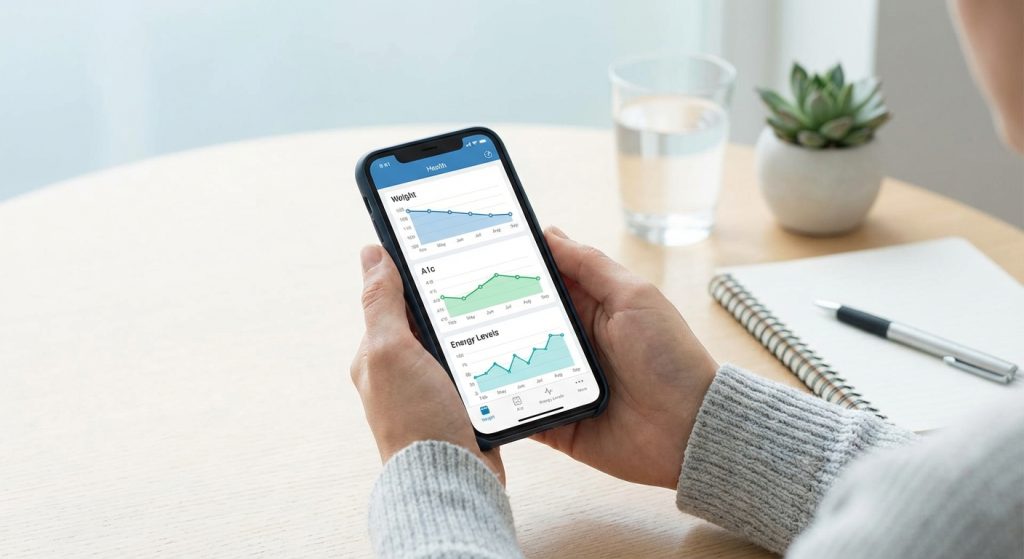
One of the most compelling arguments for microdosing lies in achieving more stable plasma concentrations. Traditional weekly dosing creates dramatic peaks and valleys in medication levels, which can translate to inconsistent therapeutic effects and increased side effects during peak periods.
Research shows that steady plasma concentrations are typically reached within 4-5 weeks at lower doses, and importantly, full receptor saturation isn’t necessary to trigger meaningful clinical effects. This suggests that maintaining consistent, moderate levels of receptor activation may be more beneficial than the dramatic fluctuations seen with weekly dosing.
Many users find that tracking their response patterns becomes crucial when implementing a microdosing approach. The ShotLog app’s smart protocol automation can help maintain consistency with personalized reminders, ensuring you never miss a dose while building the steady therapeutic levels that make microdosing effective.
Proven Benefits Across Multiple Systems
Metabolic and Glycemic Control
Clinical evidence demonstrates that even at lower doses, GLP-1 medications significantly improve glucose control across both fasting and post-meal measurements. Perhaps more importantly, markers of pancreatic function show substantial improvement, suggesting these medications actively protect the insulin-producing beta cells. This protective effect may explain why metabolic benefits often persist even after treatment discontinuation.
Cardiovascular Protection
The cardiovascular benefits of microdosed GLP-1 therapy are particularly impressive. Research on tirzepatide at lower doses shows meaningful improvements across multiple lipid markers directly linked to heart disease risk. The formation of cholesterol storage particles increases far less with consistent lower doses, while harmful lipids like ceramides show minimal elevation compared to placebo.
Large-scale trials demonstrate fewer heart attacks and strokes with GLP-1 use, attributed to improved endothelial function, reduced oxidative stress, and better nitric oxide availability—benefits that appear to be maintained or even enhanced with microdosing protocols.
Liver Health and Function
One of the most striking findings comes from a 72-week trial where 40% of patients achieved complete resolution of fatty liver disease without worsening fibrosis. In animal models, GLP-1s actively suppress fat production in the liver while simultaneously reducing inflammatory markers. This dual action makes microdosing particularly attractive for individuals with metabolic dysfunction affecting liver health.
Anti-Inflammatory Effects
GLP-1 medications demonstrate powerful systemic anti-inflammatory effects that extend far beyond metabolic benefits. These medications help the body process glucose and fat more efficiently while calming overactive immune signals throughout the body. Since chronic inflammation drives nearly every age-related disease, this anti-inflammatory benefit represents one of the most significant advantages of GLP-1 therapy.
For those tracking their inflammatory markers and overall health metrics, comprehensive monitoring becomes essential. ShotLog’s 14-point body measurement system and progress photo features allow users to document changes that extend beyond simple weight loss, capturing the broader health improvements that microdosing can provide.
Optimization Through Better Tolerability
One of the most practical advantages of microdosing is improved tolerability. Patients consistently report fewer instances of nausea, gastrointestinal discomfort, and other side effects compared to higher-dose regimens. This improved tolerance isn’t just about comfort—it directly translates to better adherence and long-term success.
The approach also provides remarkable flexibility, enabling healthcare providers to fine-tune treatment based on individual response patterns. This personalization is crucial because genetic variations in drug metabolism can cause dramatic differences in how individuals respond to the same dose.
Who Benefits Most from Microdosing?
Microdosing appears particularly beneficial for individuals seeking health optimization beyond weight loss. This includes people with cardiovascular risk factors, those managing systemic inflammation, individuals with insulin resistance or prediabetes, and those interested in preventive health strategies.
The approach is especially suitable for medication-sensitive individuals who might otherwise be unable to tolerate standard dosing protocols. It’s also ideal for those who prefer a more gradual, gentle introduction to GLP-1 therapy.
For travelers or those with busy lifestyles, maintaining consistent microdosing schedules requires proper storage and organization. The Ultimate Peptide Travel Cooler Case ensures medications stay at optimal temperatures during transport, while systematic organization with proper storage solutions helps maintain an efficient routine.
The Future of Personalized Therapy
As our understanding of GLP-1 pharmacology deepens, microdosing represents a shift toward truly personalized medicine. Rather than applying a one-size-fits-all approach, this strategy recognizes that optimal therapeutic outcomes require individualized protocols based on personal response patterns, lifestyle factors, and health goals.
The growing body of clinical evidence supporting microdosing suggests this approach may become standard practice as the field moves away from convenience-focused dosing toward biology-optimized protocols. This evolution reflects a broader trend in medicine toward precision therapeutics that maximize benefits while minimizing risks.
Important Considerations and Safety
While the evidence supporting microdosing is compelling, it’s important to note that research specifically examining microdosing protocols is still developing. Most clinical evidence comes from studies using standard therapeutic doses, though clinical observations at lower doses show promising results across multiple health markers.
The microdosing approach requires careful medical supervision and ongoing monitoring of inflammatory markers, insulin resistance indicators, and other health metrics. Success depends on working with healthcare providers experienced in individualized GLP-1 protocols who can adjust treatment based on your specific response patterns.
Important Disclaimer: This article is for educational purposes only and should not be considered medical advice. GLP-1 microdosing should only be implemented under the guidance of qualified healthcare providers who can assess your individual health status, monitor your progress, and adjust treatment protocols as needed. Always consult with your healthcare provider before making any changes to your medication regimen.
Related Products from ShotLog
Support your GLP-1 journey with precision tools designed for optimal therapy management:
- Reusable Peptide Pen ($20.99) – Precise dosing for consistent microdosing protocols
- NEST Professional Research Pen Injector ($44.99) – Professional-grade precision for advanced protocols
- Ultimate Peptide Travel Cooler Case ($29.99) – Maintain medication integrity during travel
- Universal Peptide Pen Needles ($9.49) – Compatible needles for all your injection needs
Track your microdosing journey with the comprehensive ShotLog app, featuring smart protocol automation, biograph visualization of medication levels, and detailed progress tracking tools.