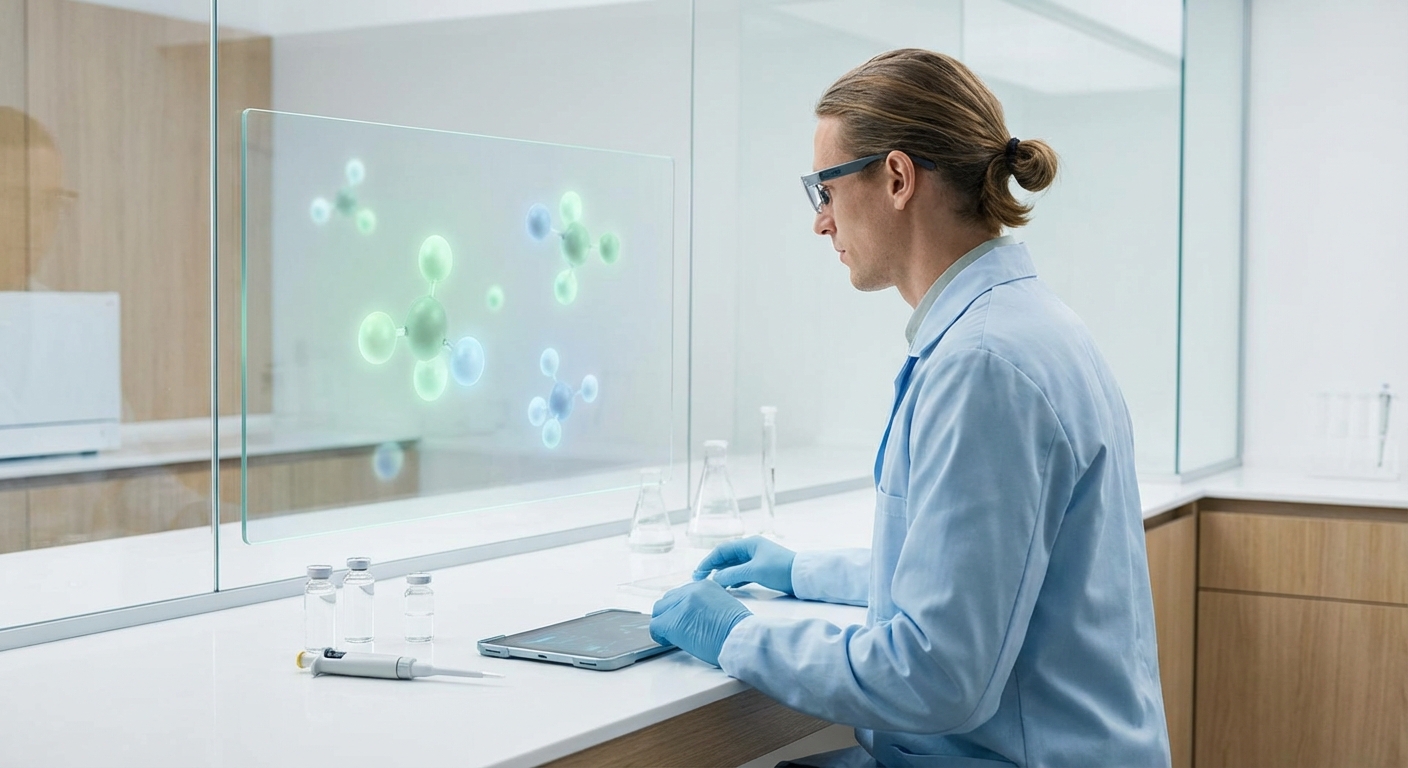
The Fascinating Origins of Modern Peptide Therapy: From Lab Discoveries to Life-Changing Benefits
Ever wondered who first discovered the peptides that are transforming lives today? The story behind modern peptide therapy is one of brilliant scientific innovation, spanning decades of research across pharmaceutical giants, prestigious universities, and pioneering research institutions worldwide.
From Eli Lilly’s groundbreaking tirzepatide to the University of Arizona’s revolutionary melanotans, these powerful compounds didn’t appear overnight. Understanding their origins helps us appreciate not just where they came from, but why they work so remarkably well for the millions of people experiencing life-changing benefits today.
The Corporate Giants: Tirzepatide’s Pharmaceutical Innovation

When Eli Lilly scientists set out to create tirzepatide, they weren’t just developing another diabetes medication—they were engineering a molecular masterpiece. This synthetic peptide represents one of the most sophisticated dual-hormone approaches ever created, acting simultaneously on both GIP (glucose-dependent insulinotropic polypeptide) and GLP-1 (glucagon-like peptide-1) receptors.
What makes tirzepatide so remarkable is its elegant design. The 39-amino-acid sequence includes a fatty acid chain that binds to albumin in the blood, allowing for once-weekly administration while maintaining consistent therapeutic levels. For users tracking their progress, tools like the ShotLog app can visualize exactly how these peptide levels fluctuate in your body over time through its innovative Biograph feature.
The clinical evidence speaks volumes about tirzepatide’s effectiveness. In the landmark SURPASS trials, participants experienced:
- Superior blood sugar control compared to other leading therapies
- Significant weight reduction averaging 15-22% of body weight
- Improved insulin sensitivity with minimal hypoglycemia risk
- Enhanced satiety through delayed gastric emptying
The mechanism behind these benefits is fascinating. By activating GIP receptors primarily for insulin secretion and GLP-1 receptors for glucagon suppression, tirzepatide creates a perfectly orchestrated metabolic response. This dual action explains why users often report not just weight loss, but improved energy, reduced cravings, and better overall metabolic health.
Academic Pioneers: University Research Breakthroughs

While pharmaceutical companies like Eli Lilly have the resources to fund extensive clinical trials, many of today’s most promising peptides originated in academic settings. The University of Arizona, for instance, gave us the melanotan peptides in the 1980s, initially researched for skin cancer prevention before their cosmetic tanning effects were discovered.
This pattern of academic discovery followed by broader application characterizes much of peptide history. Research institutions often lack the $20+ million required for Phase 3 clinical trials, which is why many beneficial peptides remain in the research phase despite promising preliminary results.
The Healing Power of BPC-157: From Gastric Protection to Regenerative Medicine

BPC-157 (Body Protection Compound-157) exemplifies how academic research can uncover compounds with extraordinary healing potential. Originally derived from human gastric juice proteins, this synthetic pentadecapeptide has captured attention for its remarkable tissue repair capabilities.
The mechanism of action centers on BPC-157’s ability to promote angiogenesis—the formation of new blood vessels. By enhancing growth factor expression like VEGF (vascular endothelial growth factor) and stimulating collagen deposition, it accelerates healing in ways that often surprise both researchers and users.
People using BPC-157 commonly report:
- Faster recovery from injuries, particularly tendons and ligaments
- Reduced inflammation in both acute and chronic conditions
- Improved gut health and digestive function
- Enhanced wound healing and tissue regeneration
Athletes and individuals recovering from injuries often find BPC-157 particularly beneficial. Many users track their recovery progress using comprehensive measurement tools, and apps like ShotLog offer 14-point body measurements and progress photos to document healing improvements over time.
Growth Hormone Innovation: The Ipamorelin Story
Ipamorelin represents another category of peptide innovation—selective growth hormone secretagogues. Unlike its predecessors, ipamorelin was designed to stimulate growth hormone release without the unwanted side effects of increased cortisol or appetite stimulation.
This synthetic pentapeptide works by mimicking ghrelin’s action at specific receptors, triggering pulsatile growth hormone release that closely resembles the body’s natural patterns. The selectivity is key—while ghrelin increases hunger and stress hormones, ipamorelin focuses purely on beneficial GH elevation.
Users typically experience:
- Increased lean muscle mass and improved body composition
- Enhanced fat metabolism and energy utilization
- Better sleep quality and recovery patterns
- Improved bone density and joint health
The consistency of administration is crucial for optimal results with growth hormone peptides. Smart tracking systems help users maintain proper schedules, and the ShotLog app’s automated protocol tracking ensures users never miss important timing windows.
The Research Reality: Why Self-Experimentation Matters
The unfortunate reality is that only compounds with significant profit potential typically receive full FDA approval. While tirzepatide benefited from Eli Lilly’s substantial investment in clinical trials, many promising peptides remain in research limbo despite compelling preliminary evidence.
This creates an opportunity for educated self-experimentation within proper safety guidelines. The peptide community has become remarkably sophisticated at sharing experiences, tracking results, and identifying optimal approaches. Many users maintain detailed logs of their progress, side effects, and improvements.
For those embarking on peptide therapy, proper organization and tracking are essential. Keeping supplies organized with appropriate storage solutions and maintaining consistent protocols significantly impacts results. The community’s collective knowledge continues to expand our understanding of these remarkable compounds.
The Future of Peptide Discovery
As we look ahead, peptide innovation continues to accelerate. From Russian research institutions like Dr. Vladimir Khavinson’s work on bioregulator peptides to cutting-edge dual and triple agonists in development, the field represents one of medicine’s most promising frontiers.
The key to success lies in combining rigorous scientific understanding with practical application. Whether peptides originate from pharmaceutical labs or university research centers, their ultimate value lies in the real-world benefits they provide to users committed to optimizing their health.
For anyone considering peptide therapy, tracking progress becomes essential for optimizing results and ensuring safety. Modern tools make it easier than ever to monitor improvements, maintain consistency, and share meaningful data with healthcare providers.
Important Note: This article is for educational purposes only and does not constitute medical advice. Peptide therapy should only be undertaken under the guidance of qualified healthcare professionals who can assess individual suitability, monitor for side effects, and ensure proper protocols. Always consult with your healthcare provider before beginning any peptide regimen.
Related Products from ShotLog
Support your peptide journey with professional-grade supplies:
- Reusable Peptide Pen ($20.99) – Reliable, cost-effective delivery system
- NEST Professional Research Pen Injector ($44.99) – Precision engineering for accurate dosing
- Ultimate Peptide Travel Cooler Case ($29.99) – Maintain proper temperature during travel
- Peptide Vial Cases ($4.98-$9.98) – Organize and protect your peptide supply
Download the ShotLog app for iOS and Android to track your peptide therapy with smart protocol automation, progress visualization, and comprehensive health monitoring tools. Visit www.shotlogapp.com to get started.